After centuries of trauma, Montana’s Blackfeet Nation turns to an old friend for food sovereignty: bison.
Local non-profits and schools are helping students explore traditional practices paired with modern science to make food sovereignty a reality
For: The GuardianBrowning, MT
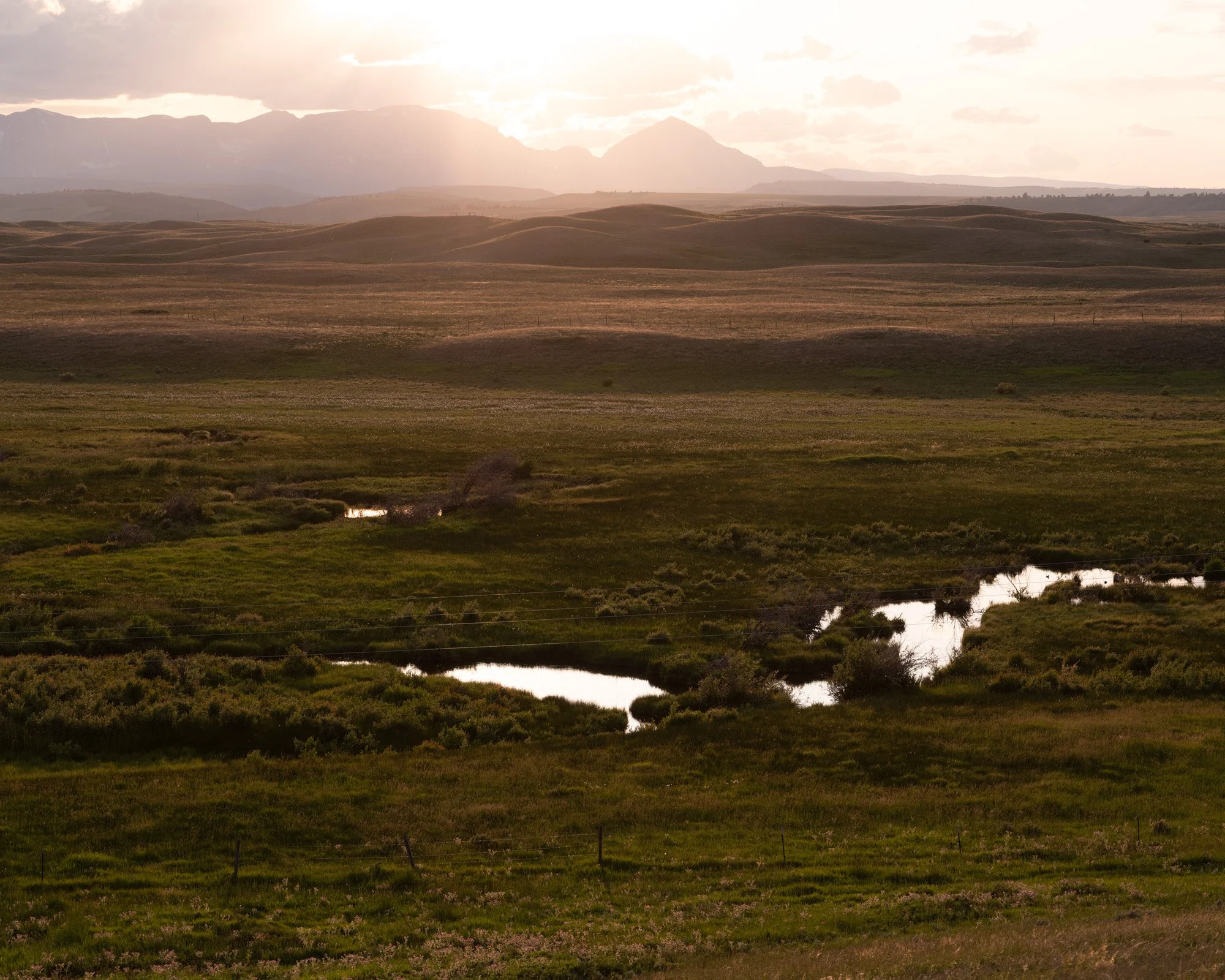
The Blackfeet Nation is a remote and rugged landscape on the windswept plains of northern Montana. While rich in resources, the remote location and management by the federal government has made food access a challenge here.
Only four grocery stores serve the entire reservation. Fresh, healthy produce and meat options are often limited at these stores, and prices are higher than in neighboring communities, making access difficult for low–income families. Instead, highly processed foods, rich in sugars, carbs, and fat make up the bulk of the food choices.
Meanwhile, incidents of preventable health issues such as diabetes, heart disease, and lung, colorectal, and kidney cancers have been above statewide averages for over a decade. Rates of chronic illness here exceed both state and national averages, and are high in comparison to other tribal nations across the country. In addition to the health concerns, the saturation of unhealthy processed foods and pervasive food insecurity means losing touch with a cultural heritage based around bison and the landscape they inhabit.
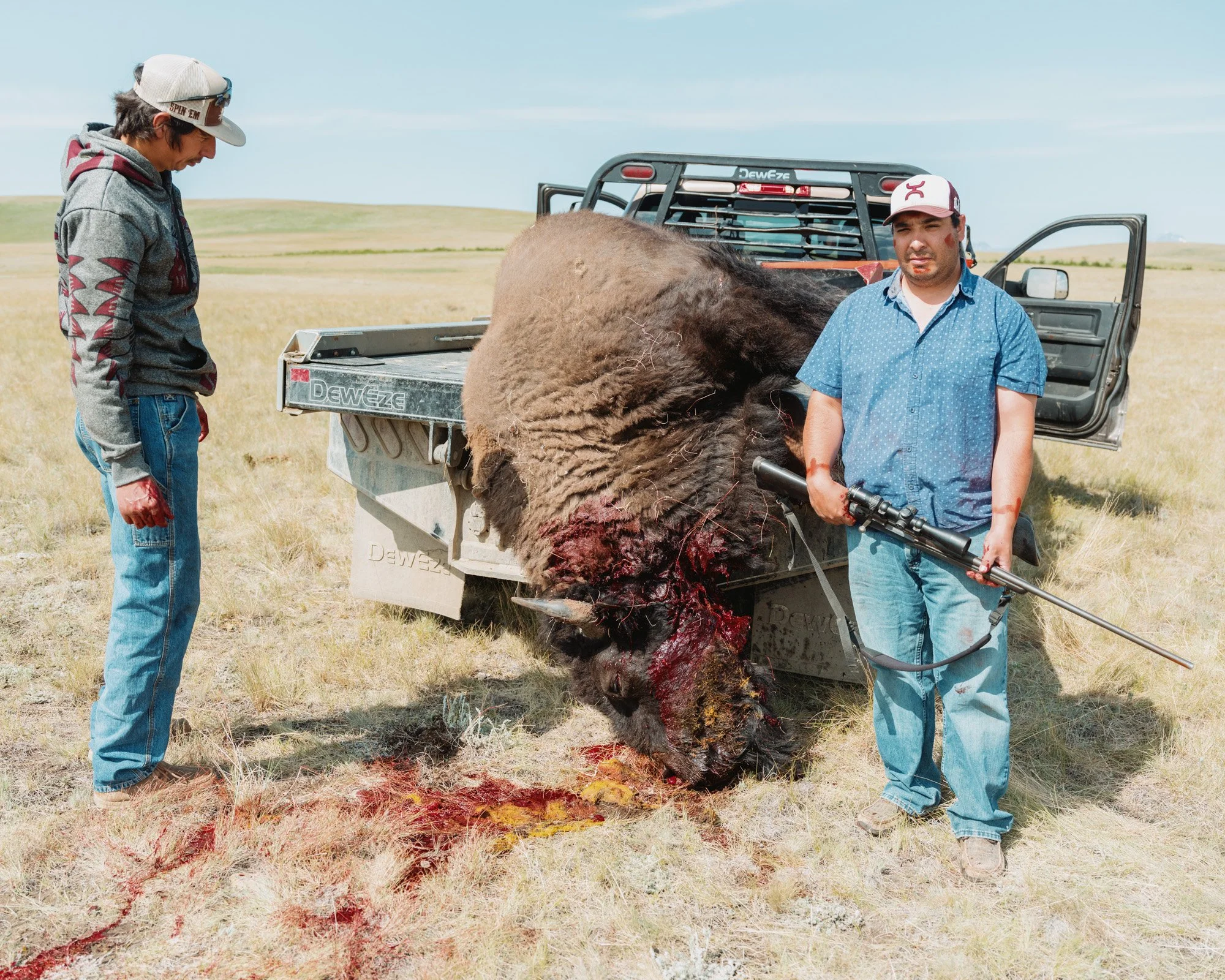
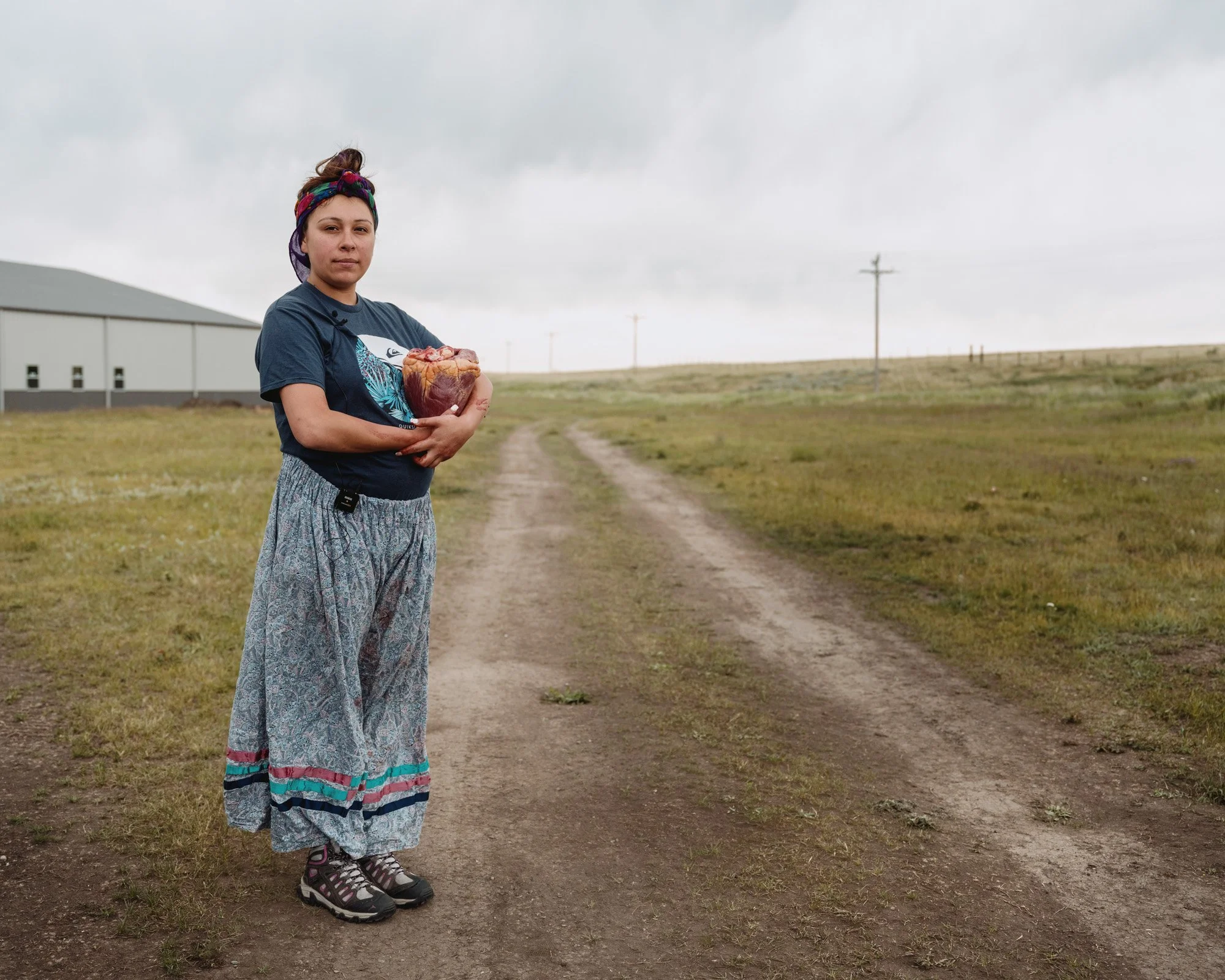
For the Blackfeet, bison are as much a source of food as they are a part of cultural identity. Before their extirpation, their movements across the plains shaped the Blackfeet way of life so much that nearly two hundred years later the Blackfeet community is still grappling with the generational trauma resulting from the sudden loss of these animals from the prairie.
Recognizing these problems, the tribal government, a variety of non-profits, and dedicated community members decided to take action. In 2016, the Blackfeet Nation became one of the first tribal governments to implement a program that would assert tribal management over agricultural resources within the reservation, with the greater goal of establishing food sovereignty and tribal self-determination.
Known as an agricultural resource management plan (ARMP), the program was created by the Blackfeet was the first in the nation to be built around cultural practices, and centered on the five core pillars of Blackfeet values: Creating sustainable economic development, strengthening cultural knowledge, increasing organizational development, investing in the Piikani people, and promoting health, healing and nutrition.
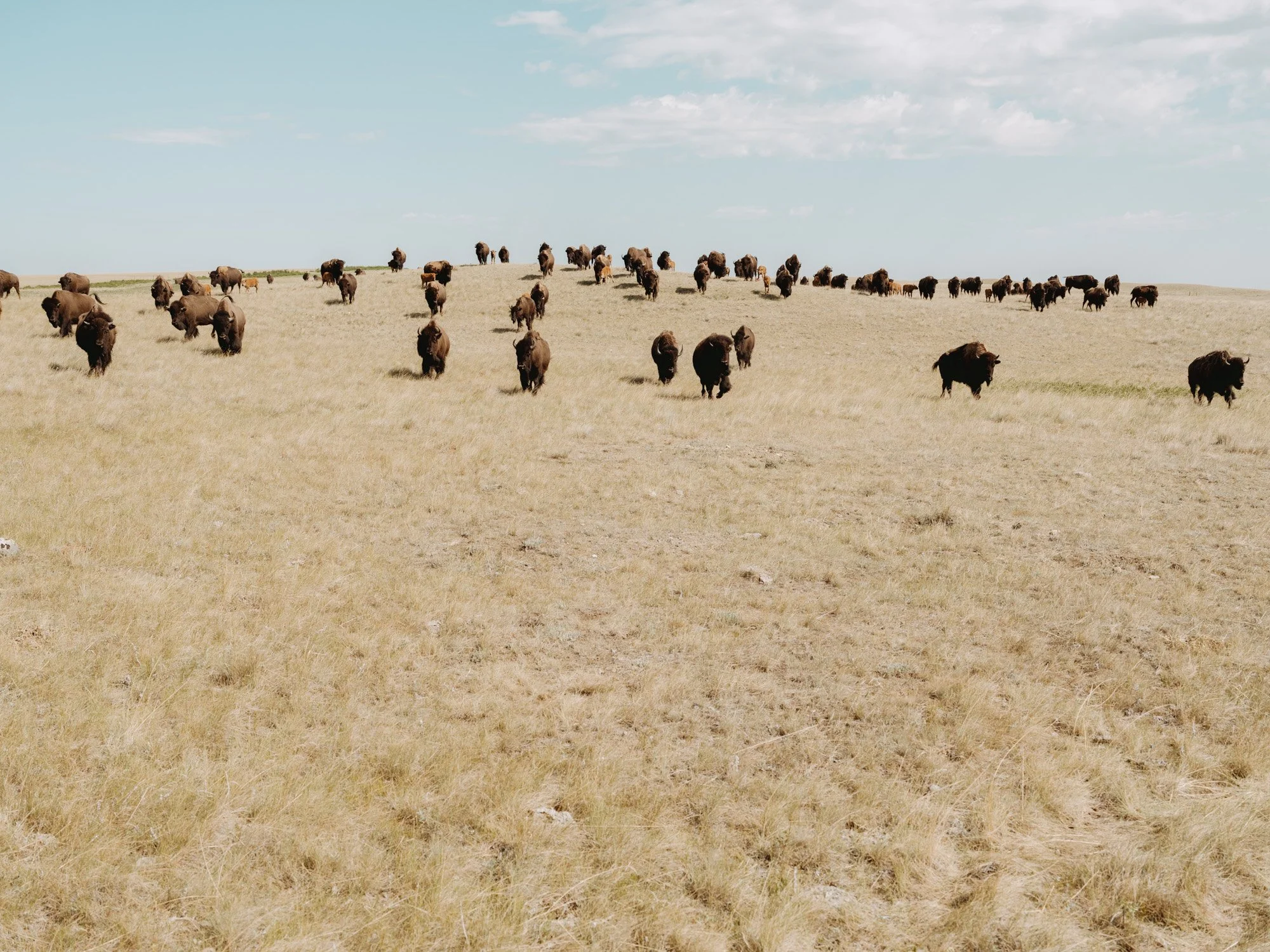
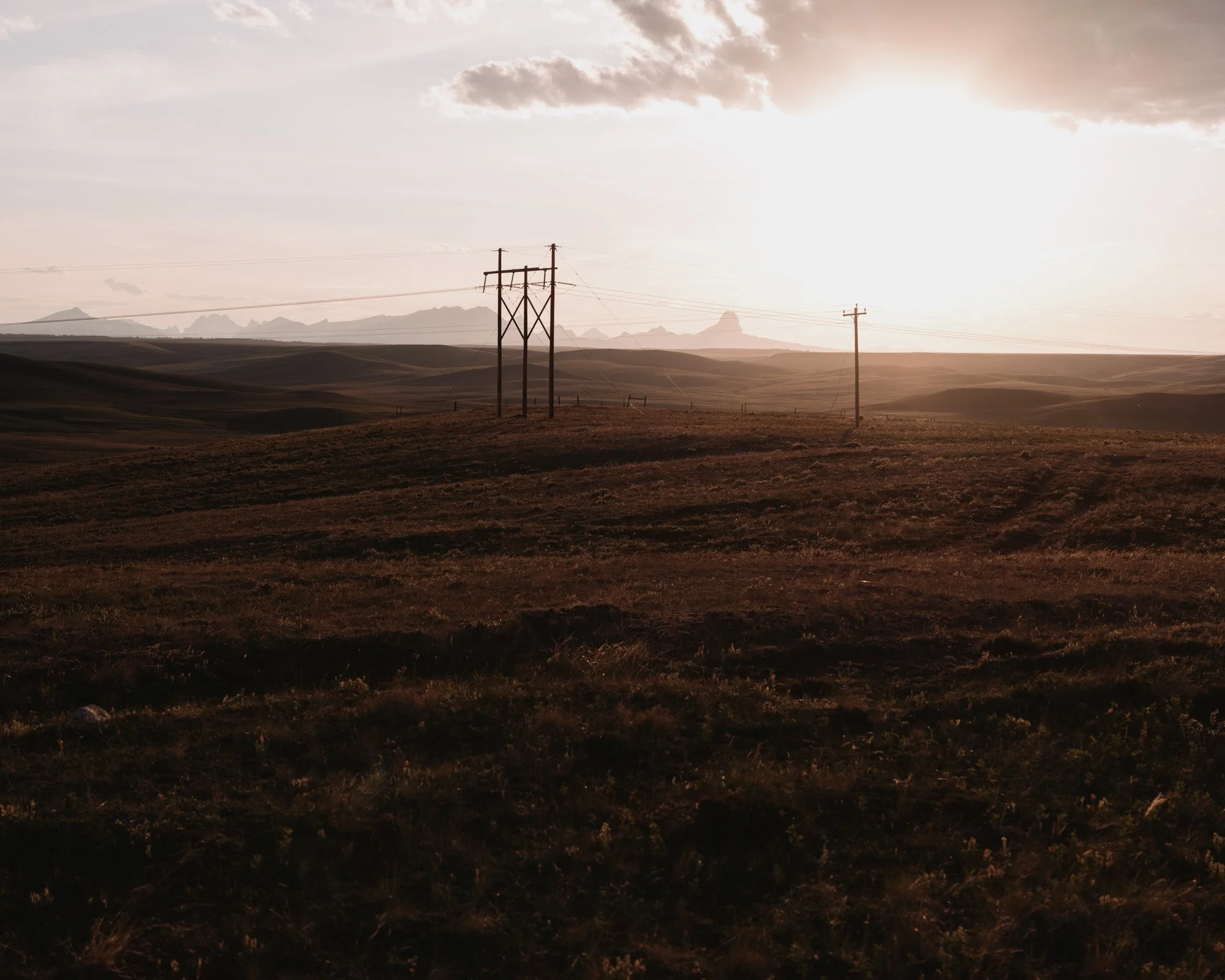
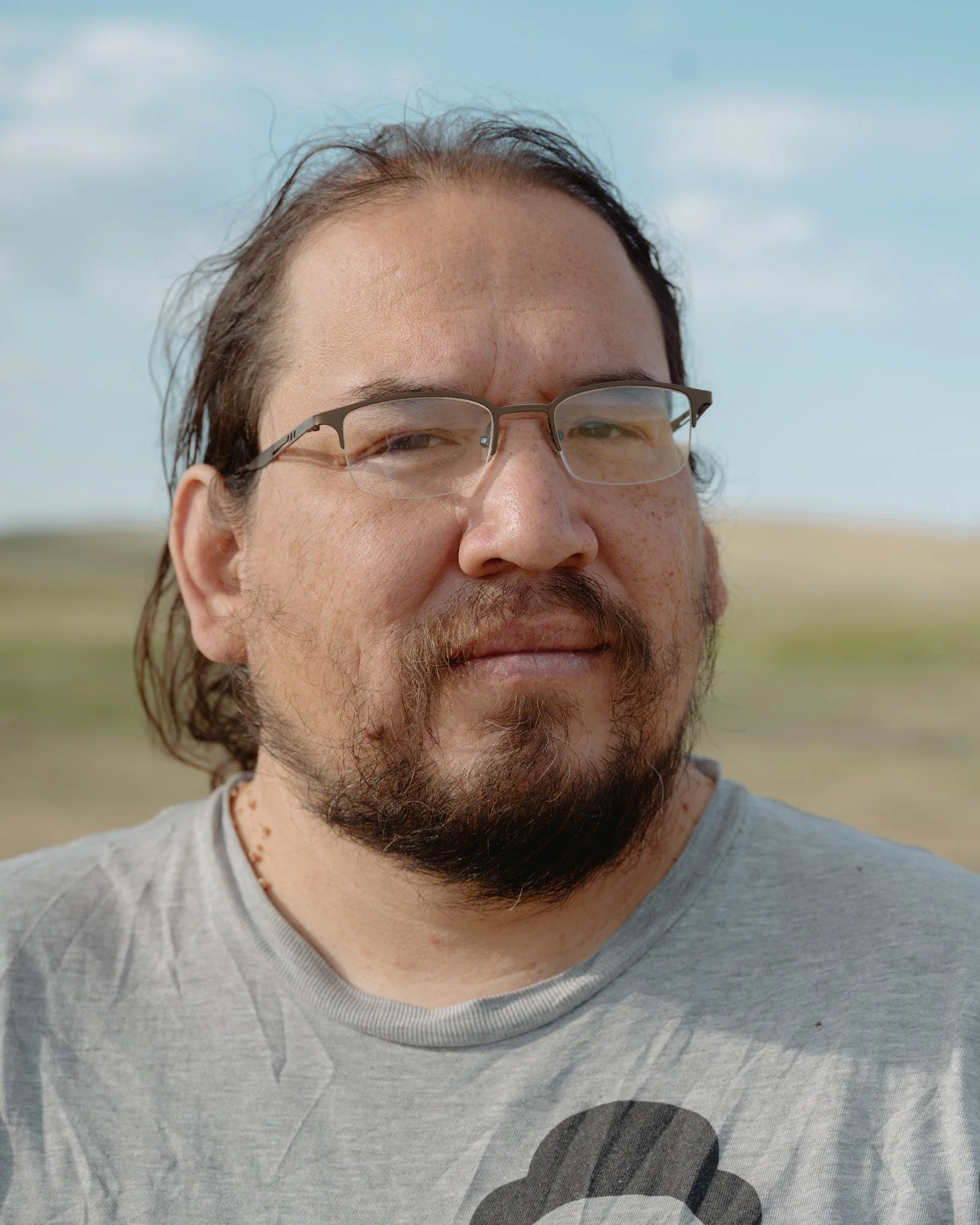
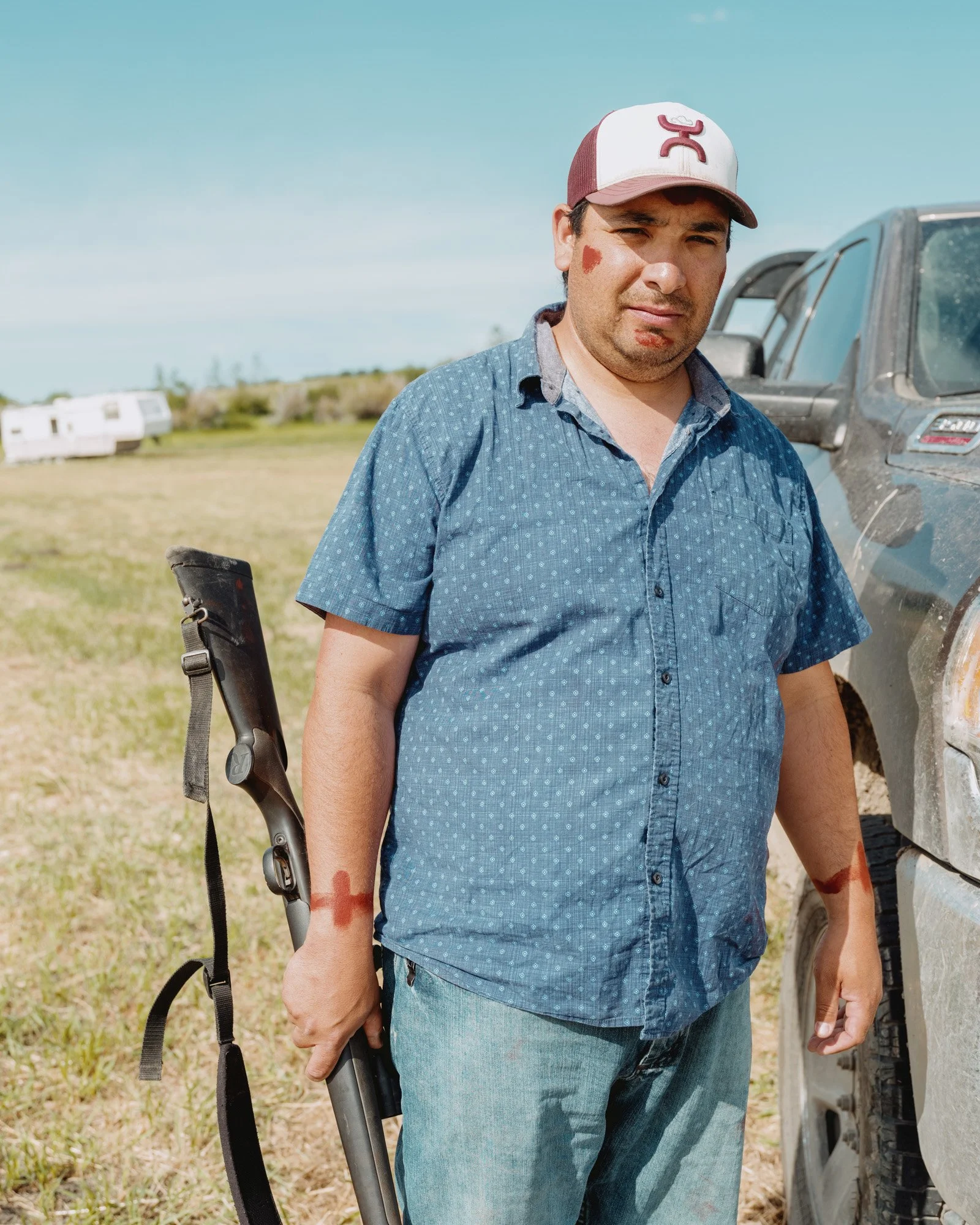
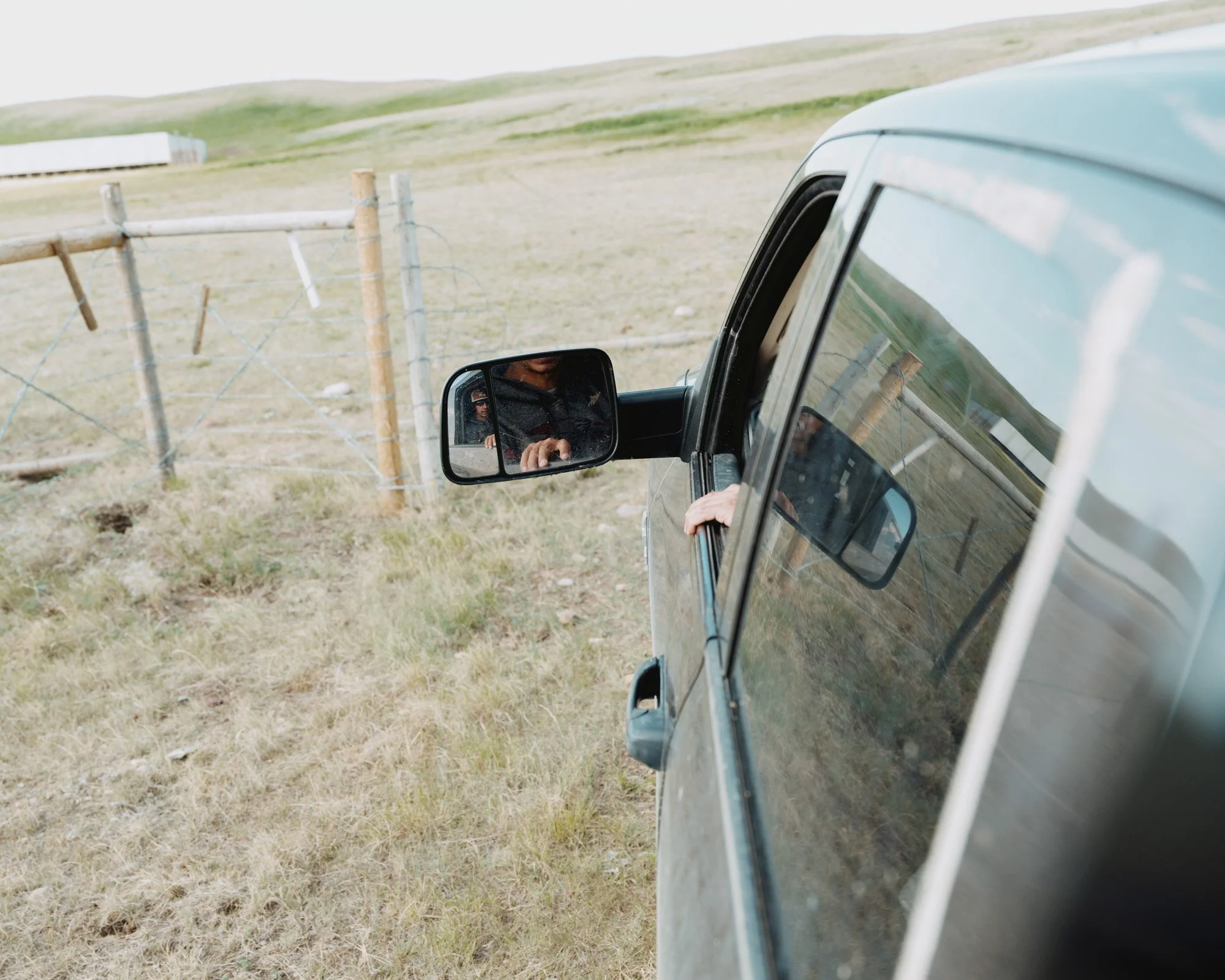
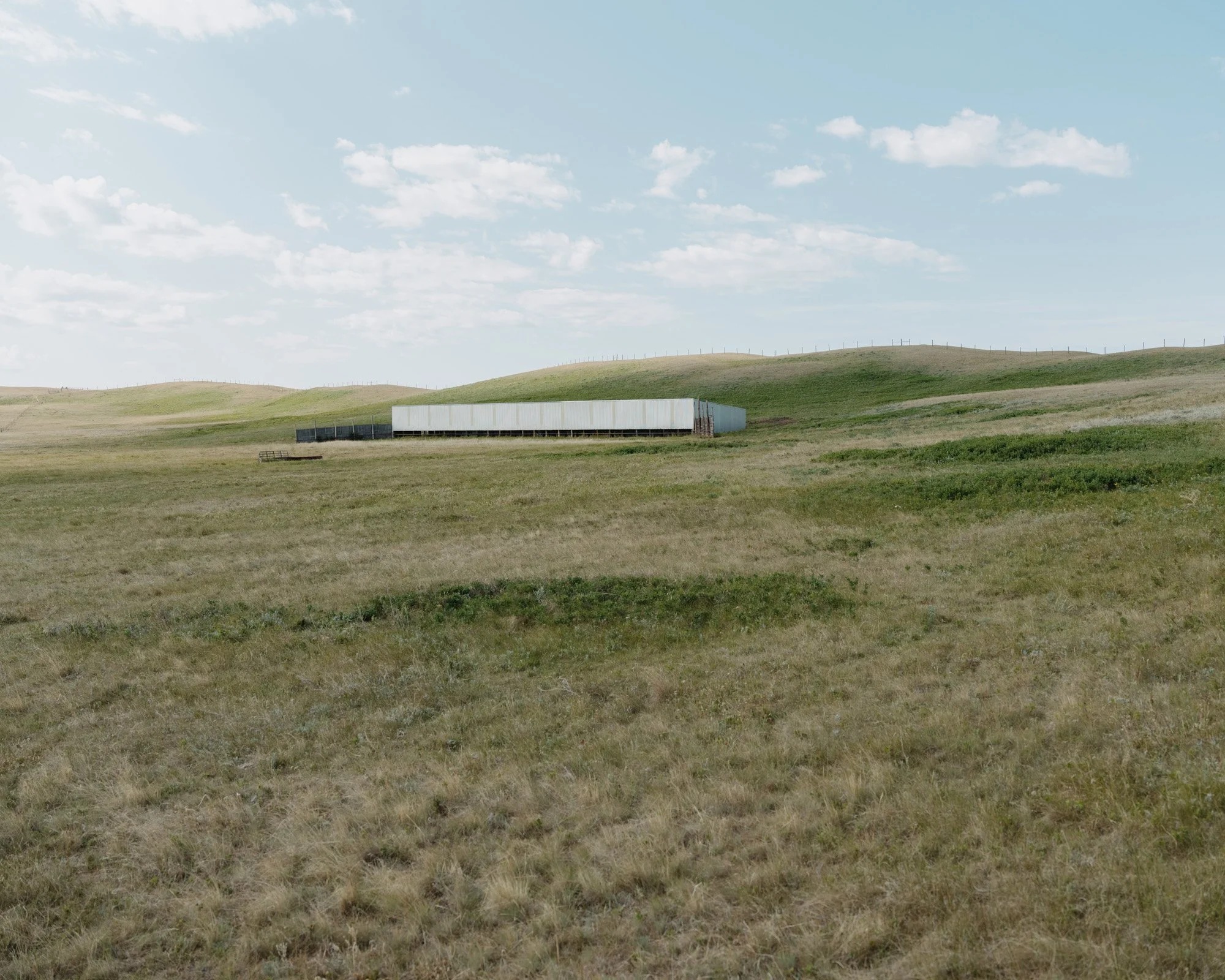
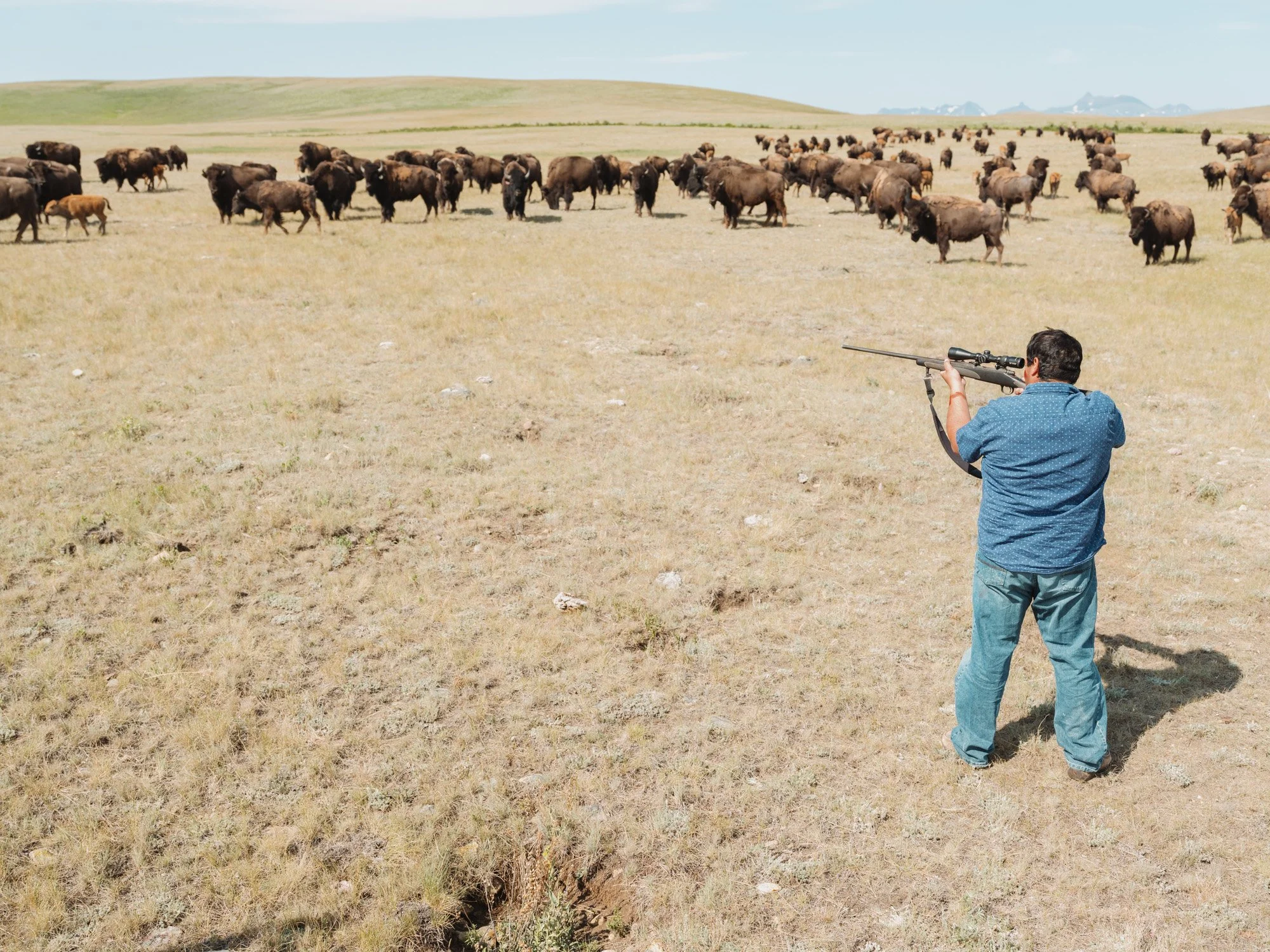
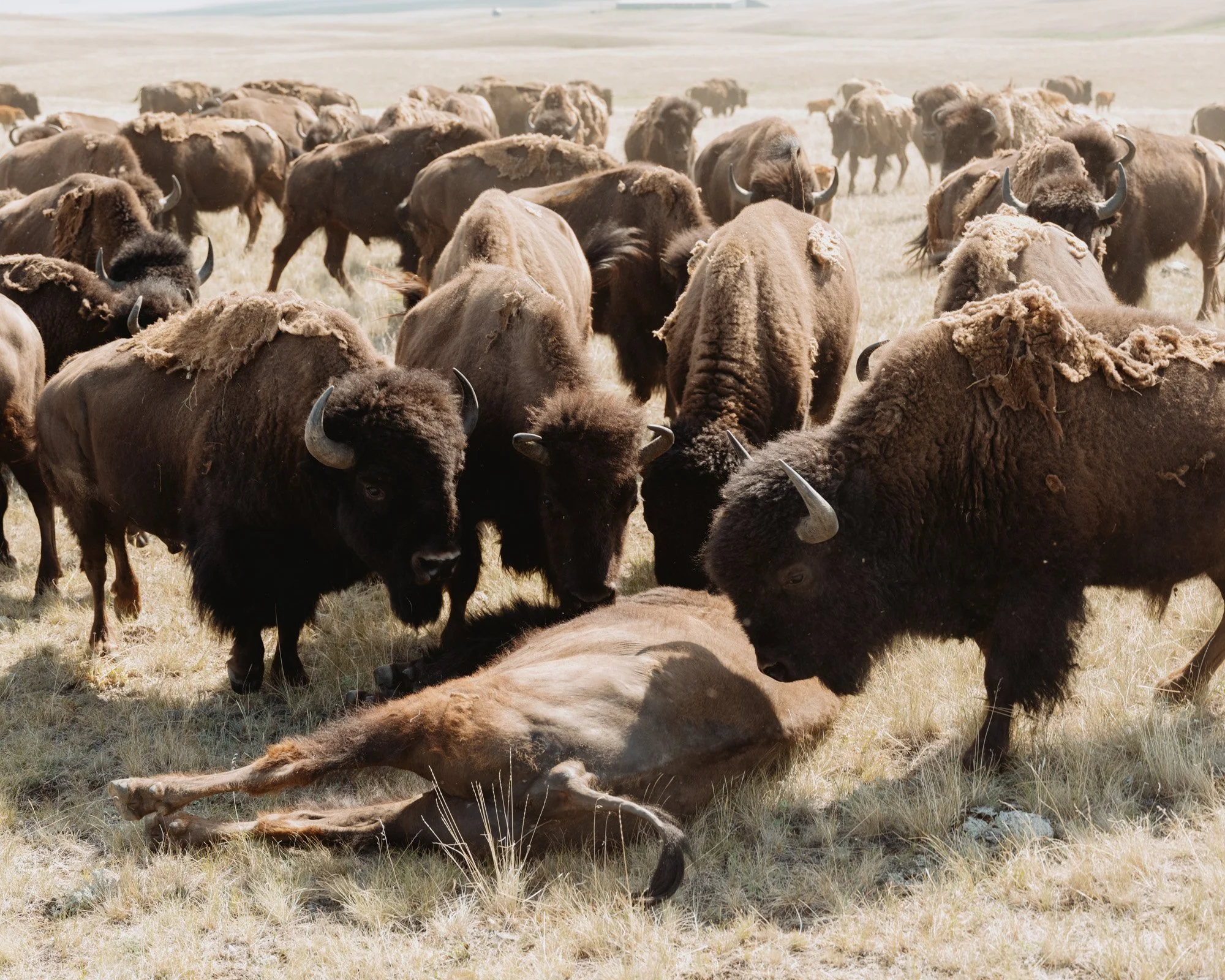
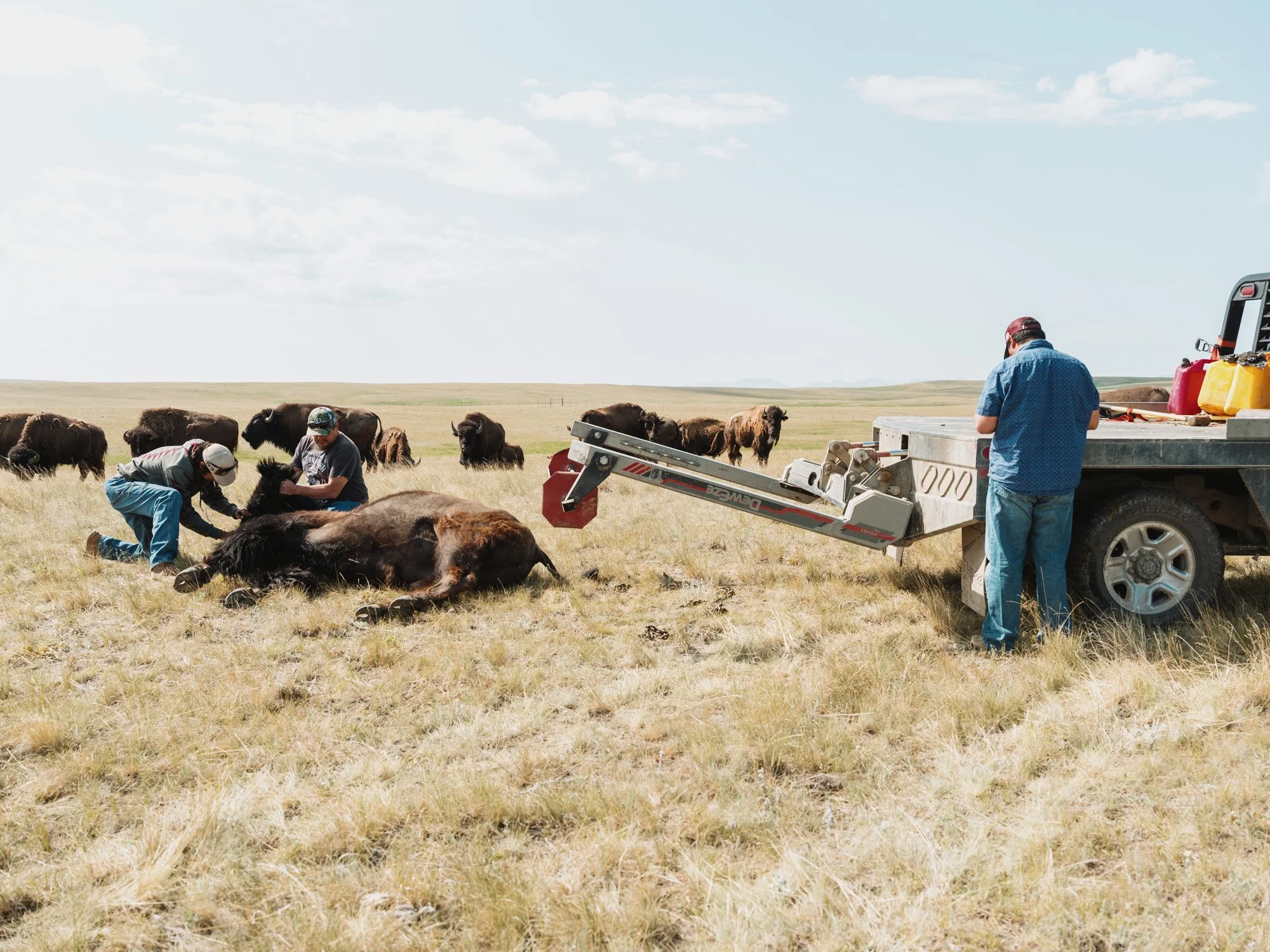
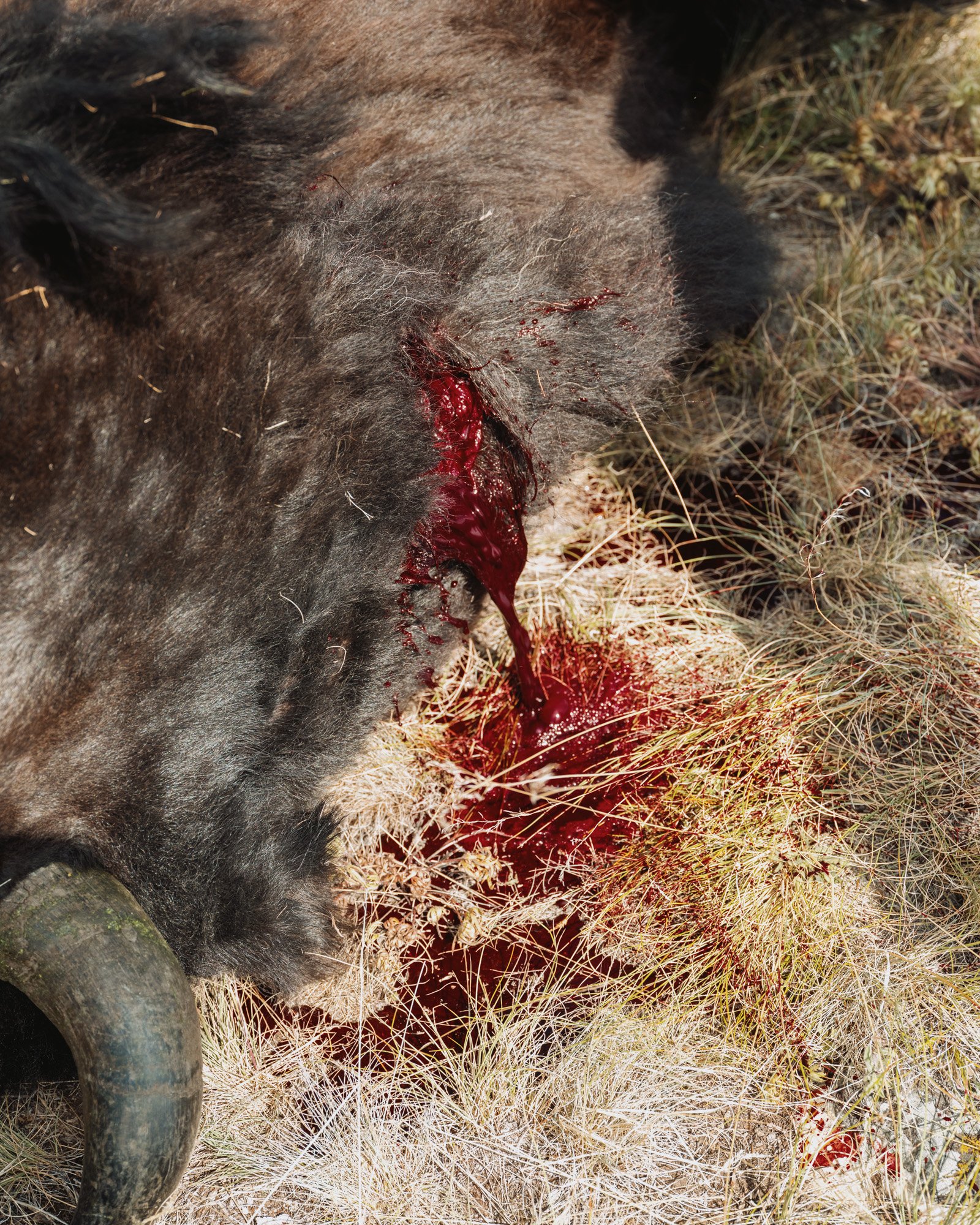
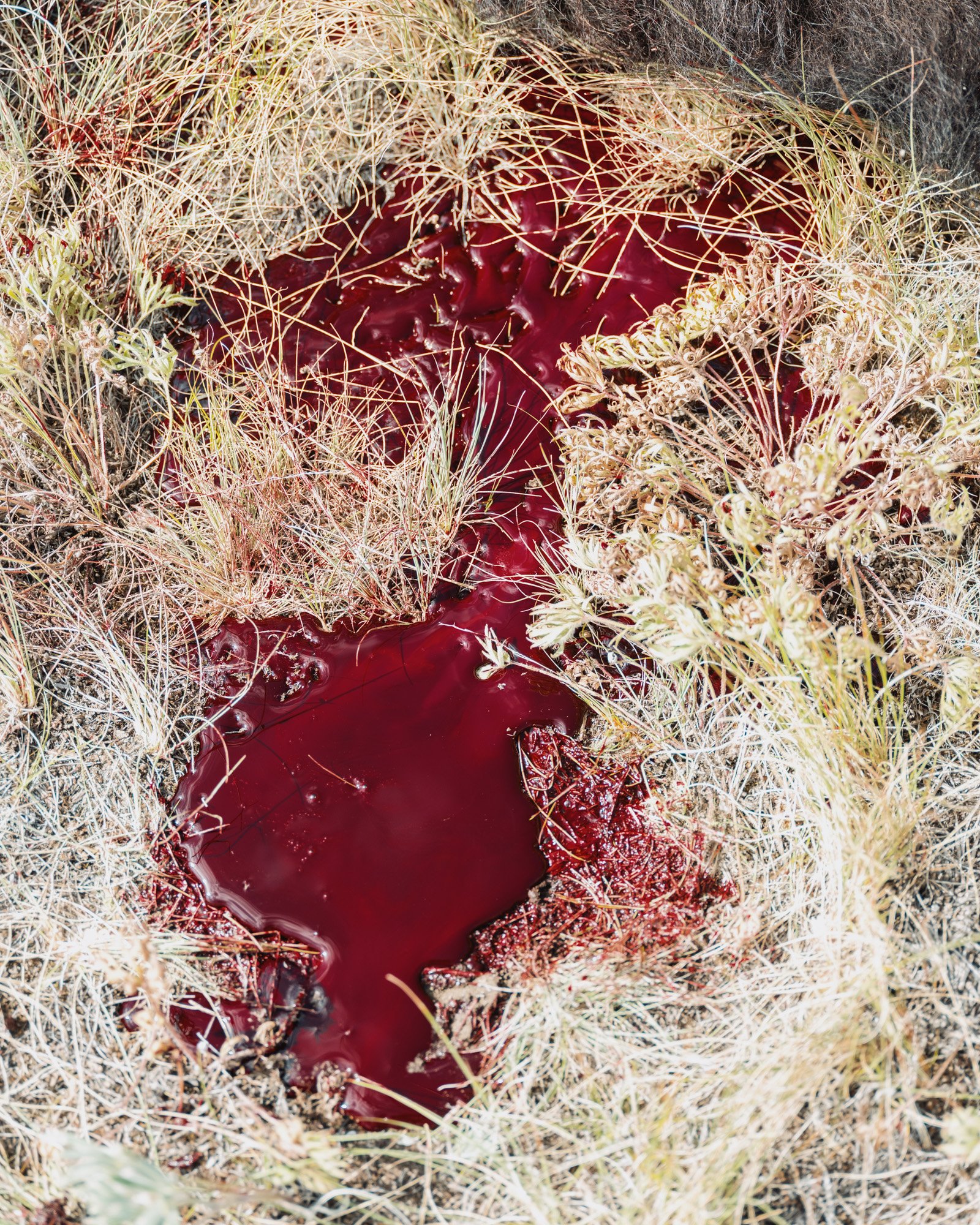
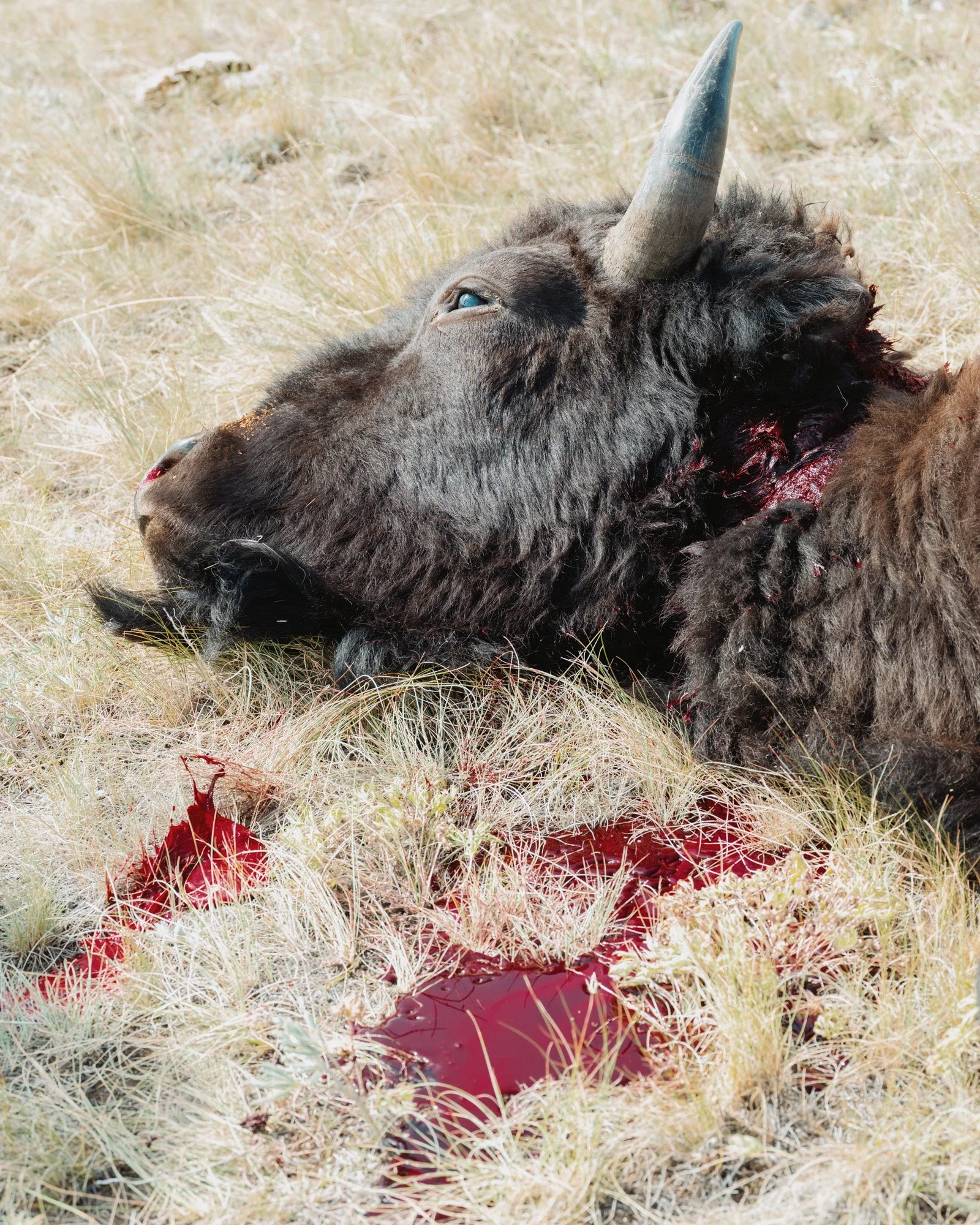
Now, nearly a decade after implementation the community has taken the reins. While the tribal government was able to implement the ARMP, fulfilling some of the larger goals and objectives proved to be a challenge. Seeing the need to help implement some of the aspects of the ARMP, several food oriented non-profits have sprouted up.
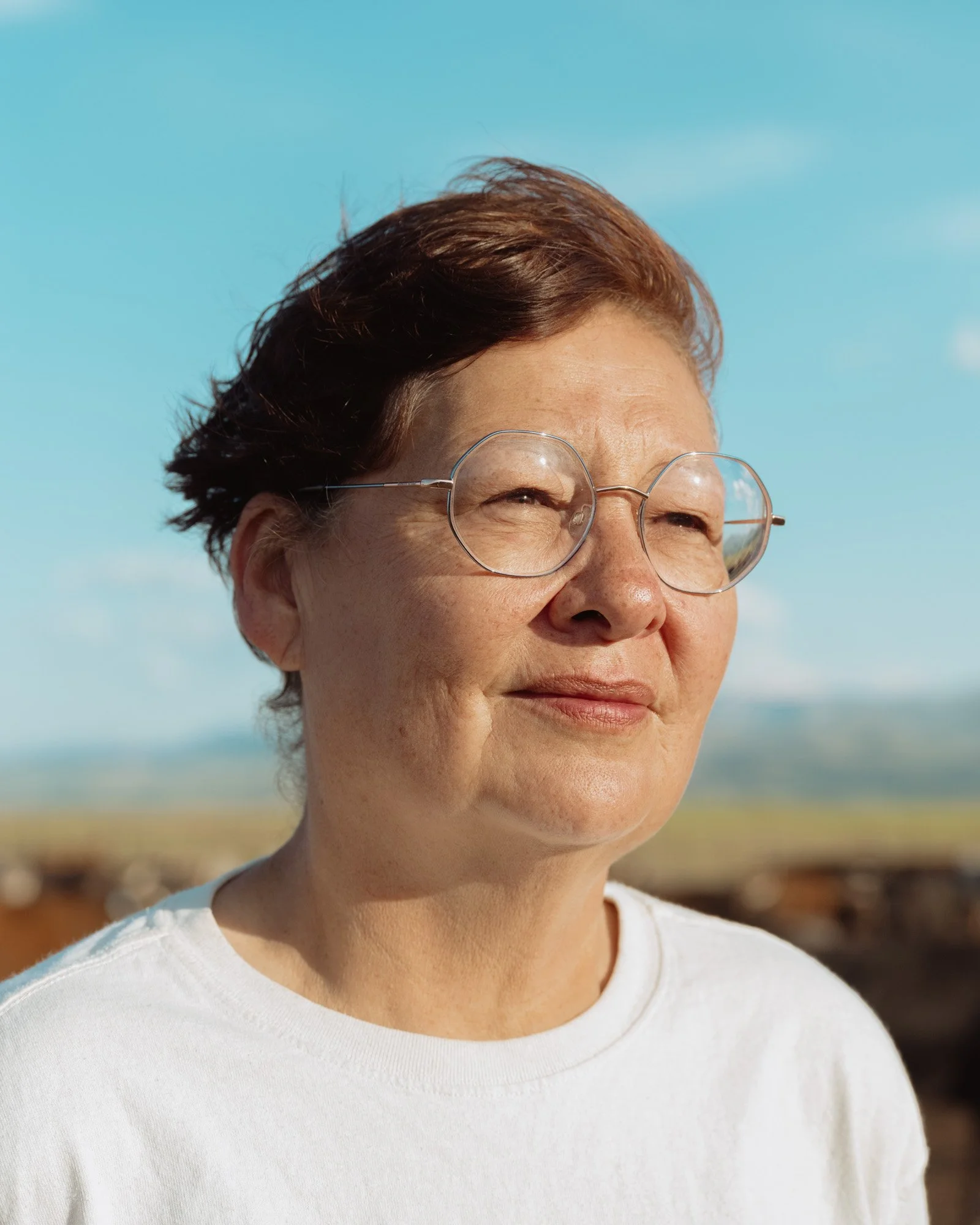
One of these non-profits is the Piikani Lodge Health Institute(PLHI), which was established to implement some of the goals of the ARMP. It was founded by Kim Paul, whose studies in human metabolic systems informed how she saw the issues of obesity and disease within her community. She worked to find ways to pair western science with traditional beliefs and practices to examine how ancestral knowledge could offer solutions to some of the problems plaguing her community.
Noticing that her community was facing some of the highest rates of chronic diseases within tribal nations across the country, she started to wonder if at least some of that might be rooted in the sudden shift away from a traditional diet of meat, berries and fats, and instead being made to rely on highly-processed, carbohydrate-heavy government-supplied commodity foods.
Under Paul’s direction, PLHI began to plan and implement a traditional foods study to examine biomarker responses from switching to a diet that would have been available to the Amskapi Piikani before colonization.
Bison and various berries, such as chokecherry and serviceberry, make up the bulk of the diet, along with wild onions, wild carrots, and some wild potatoes. Paired with a baseline study, the PLHI project enrolled volunteers to participate in a 100-day diet to see how their bodies would react to the reintroduction of traditional foods. Initial responses have been promising, but due to rising costs and funding cuts, the intensity of blood draws and lab analysis, the study had to be dialed back.
PLHI has just received its final lab results, and are anticipating being able to quantify and publish the results early 2026
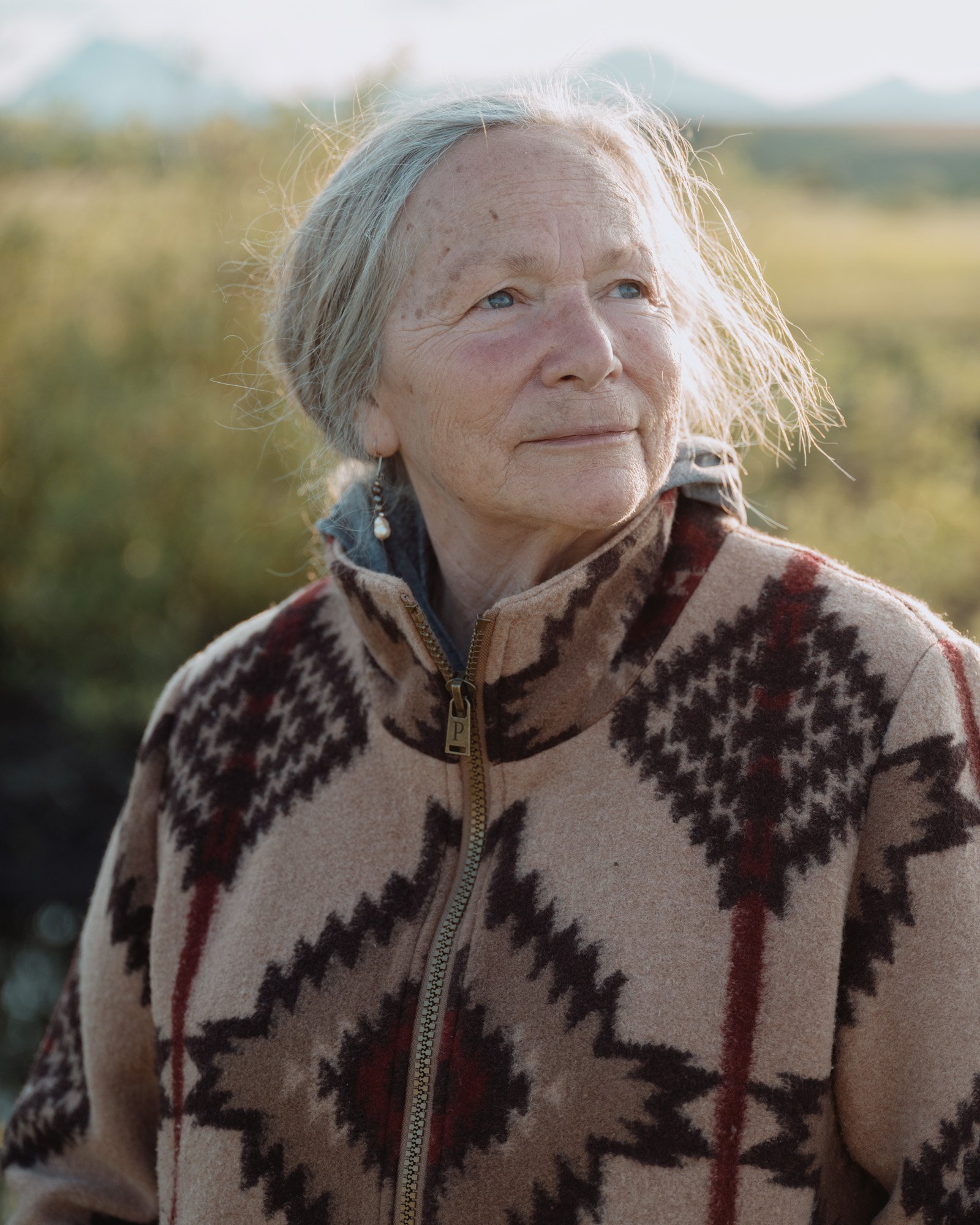
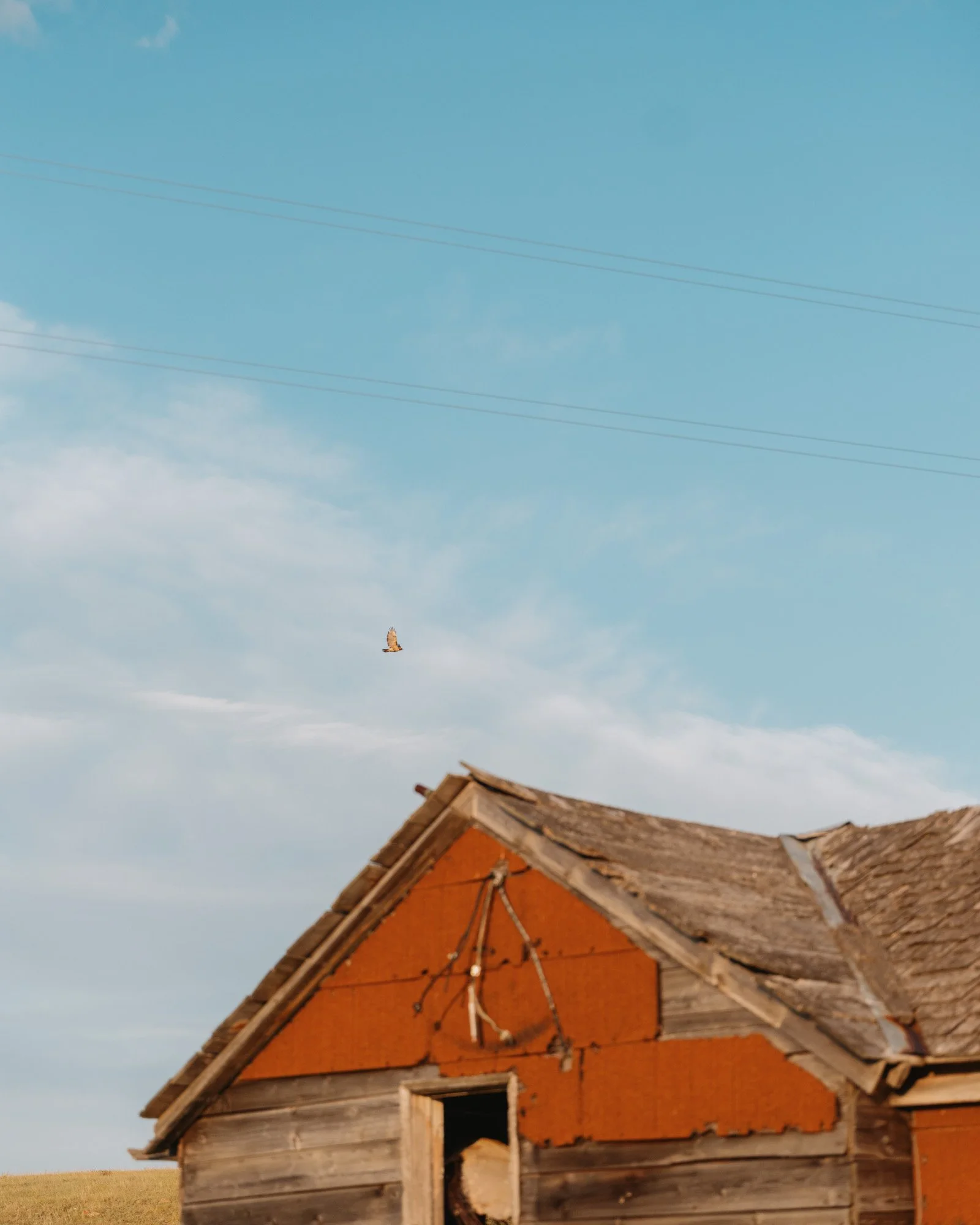
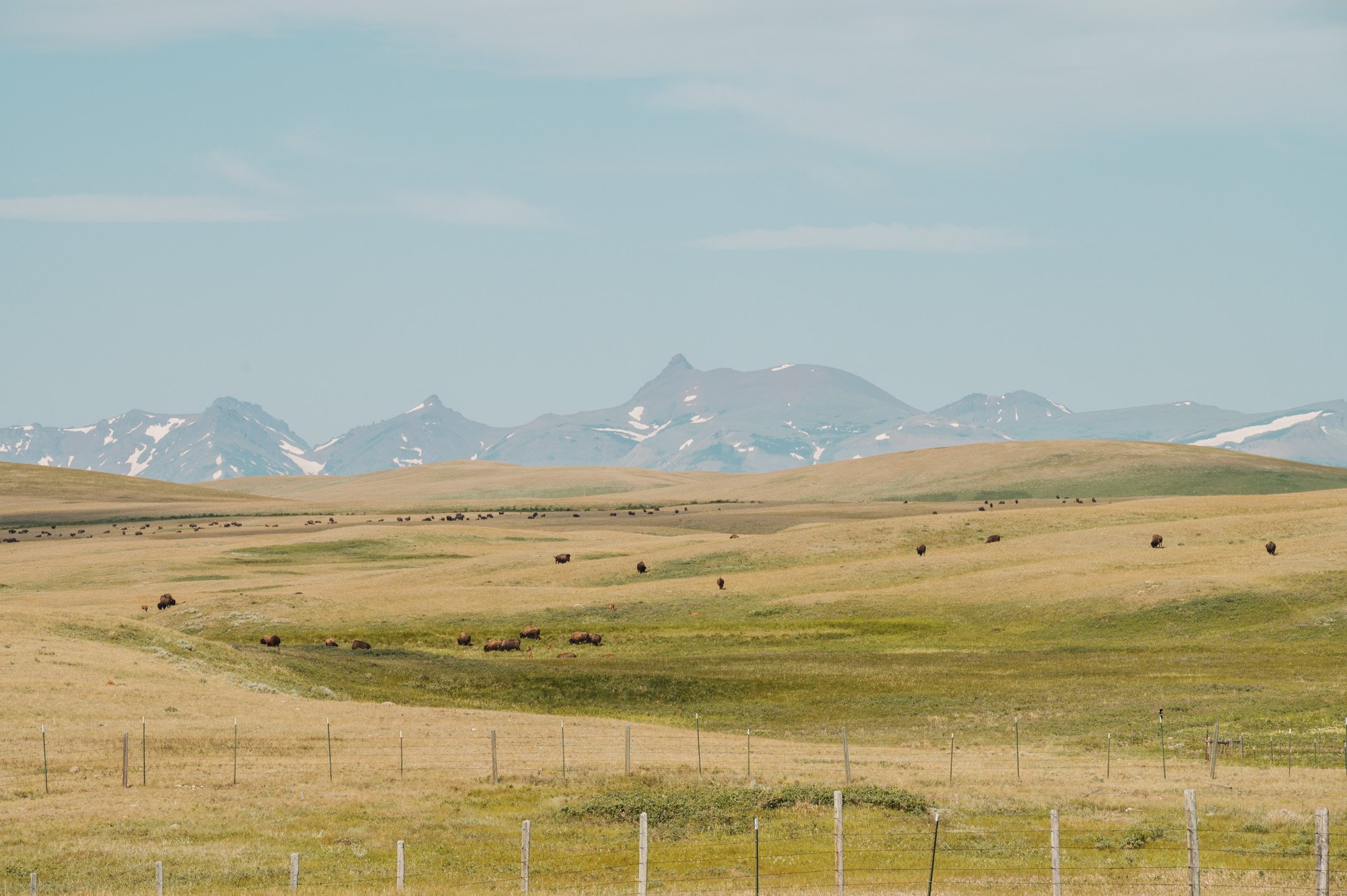
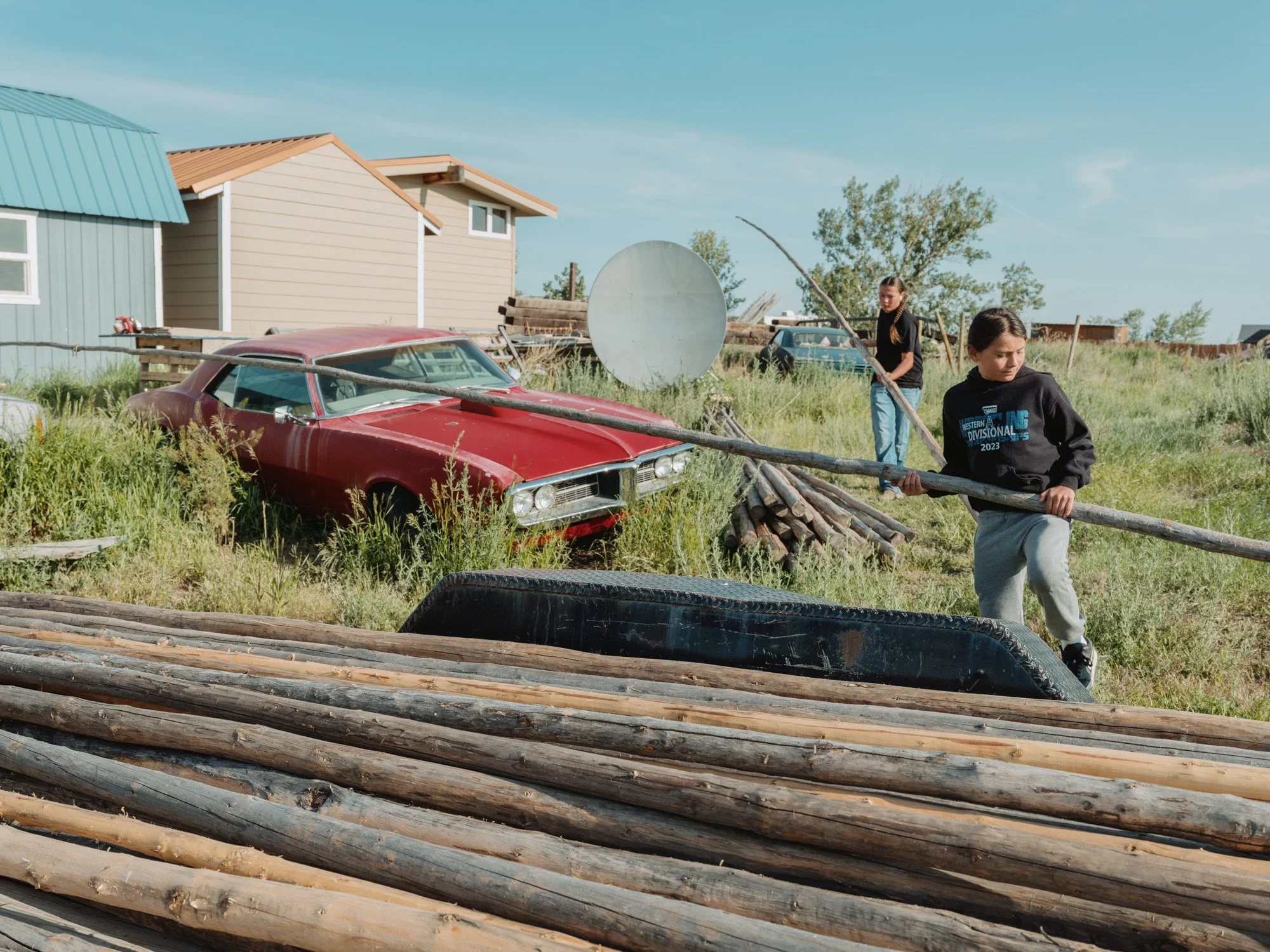
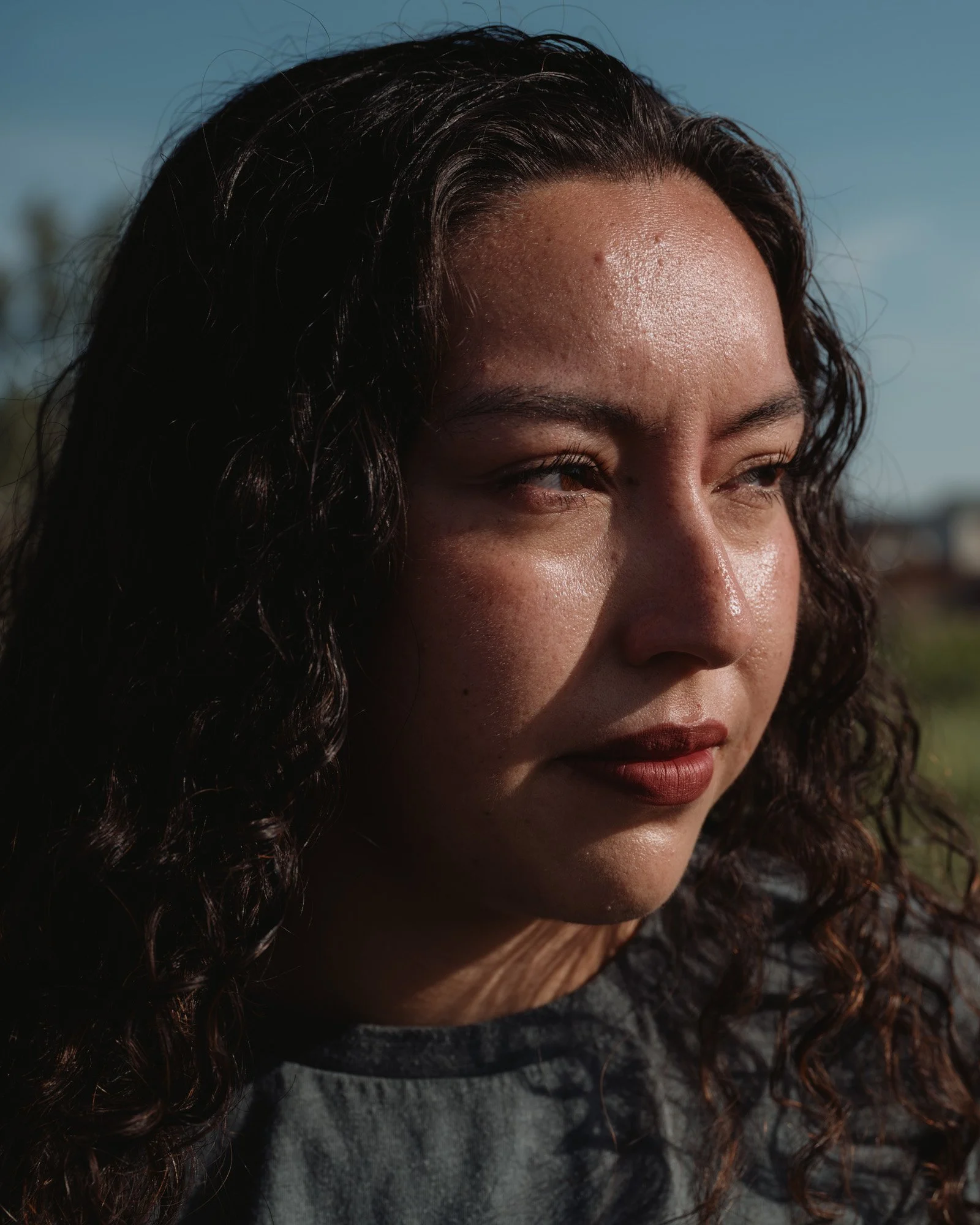
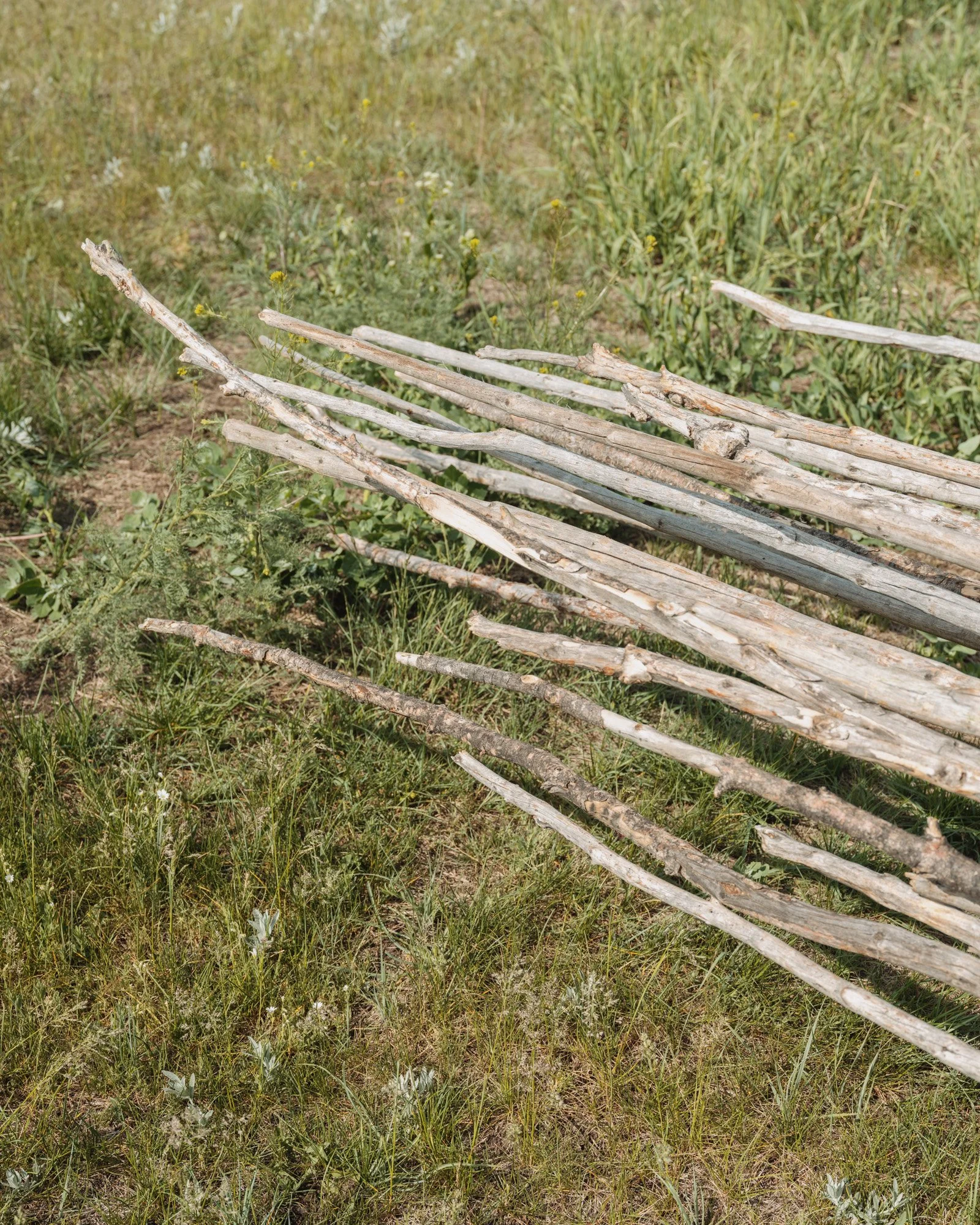
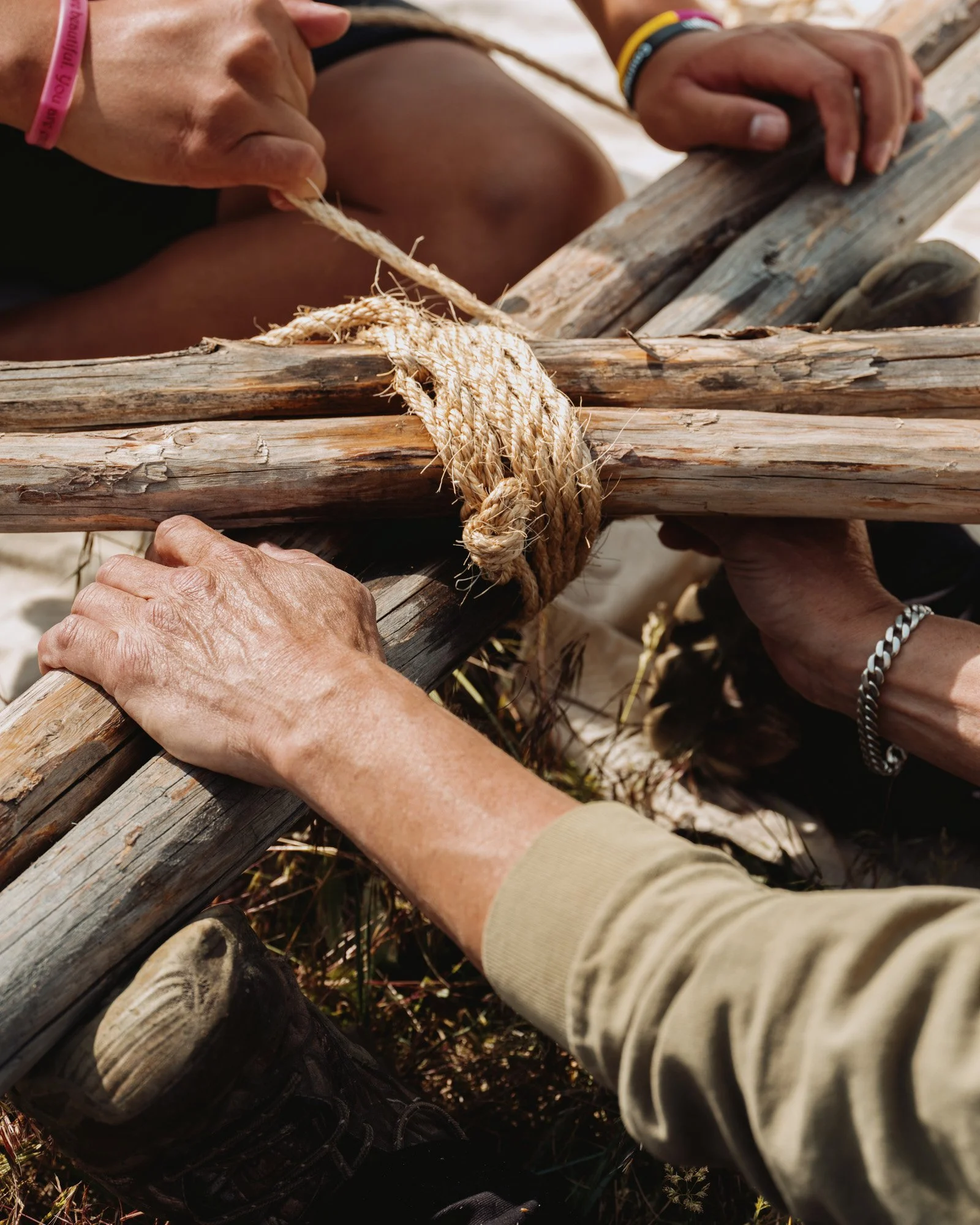
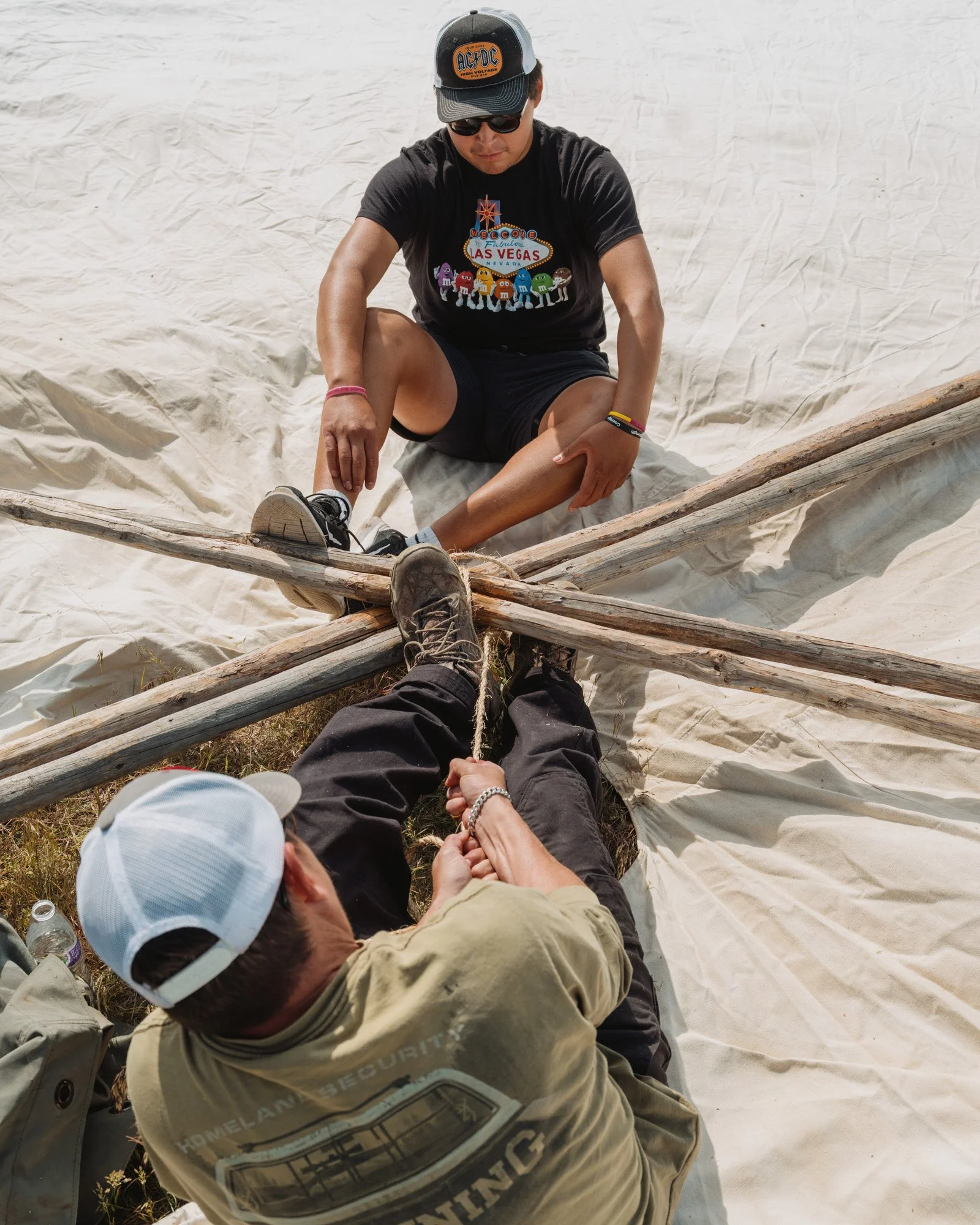
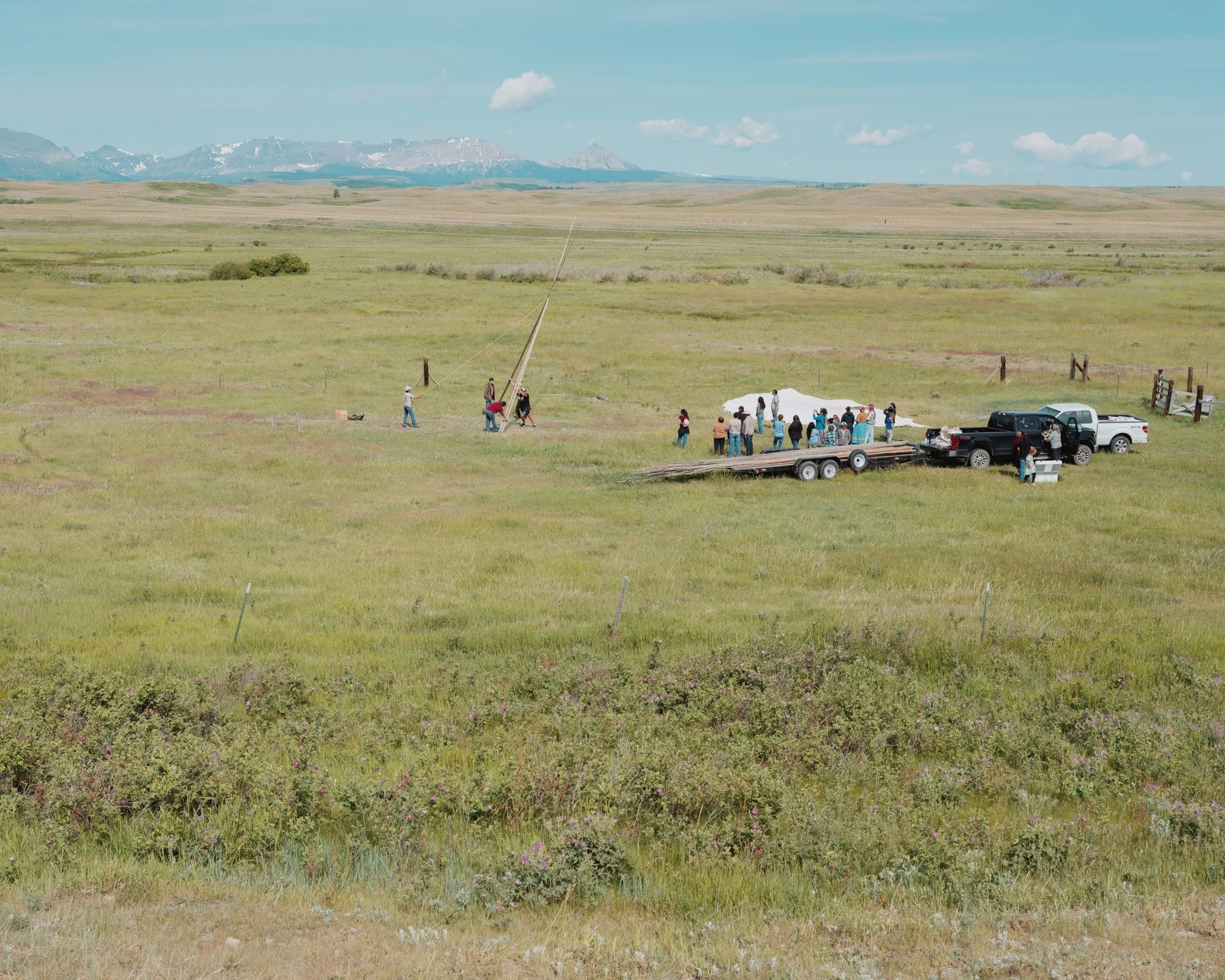
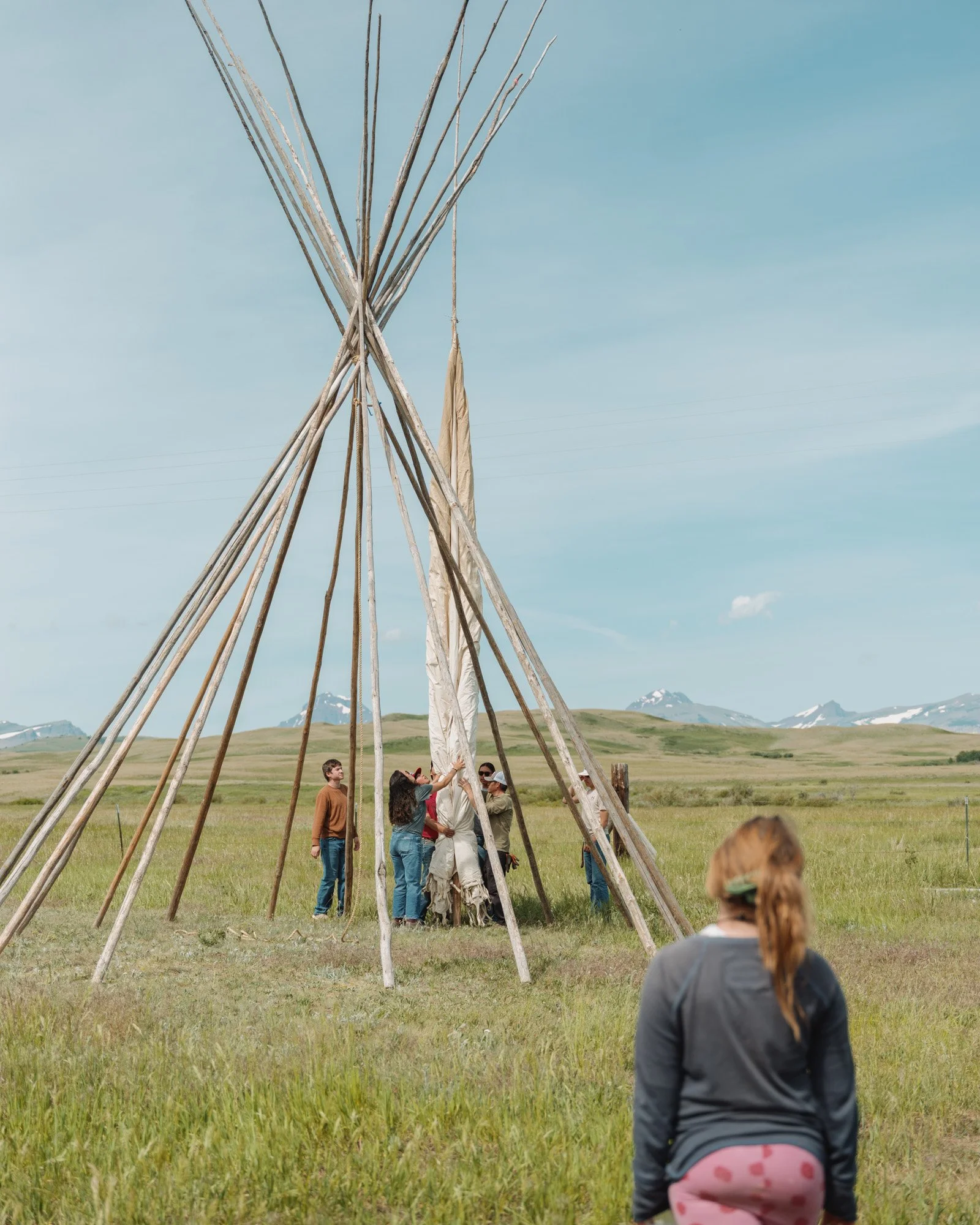
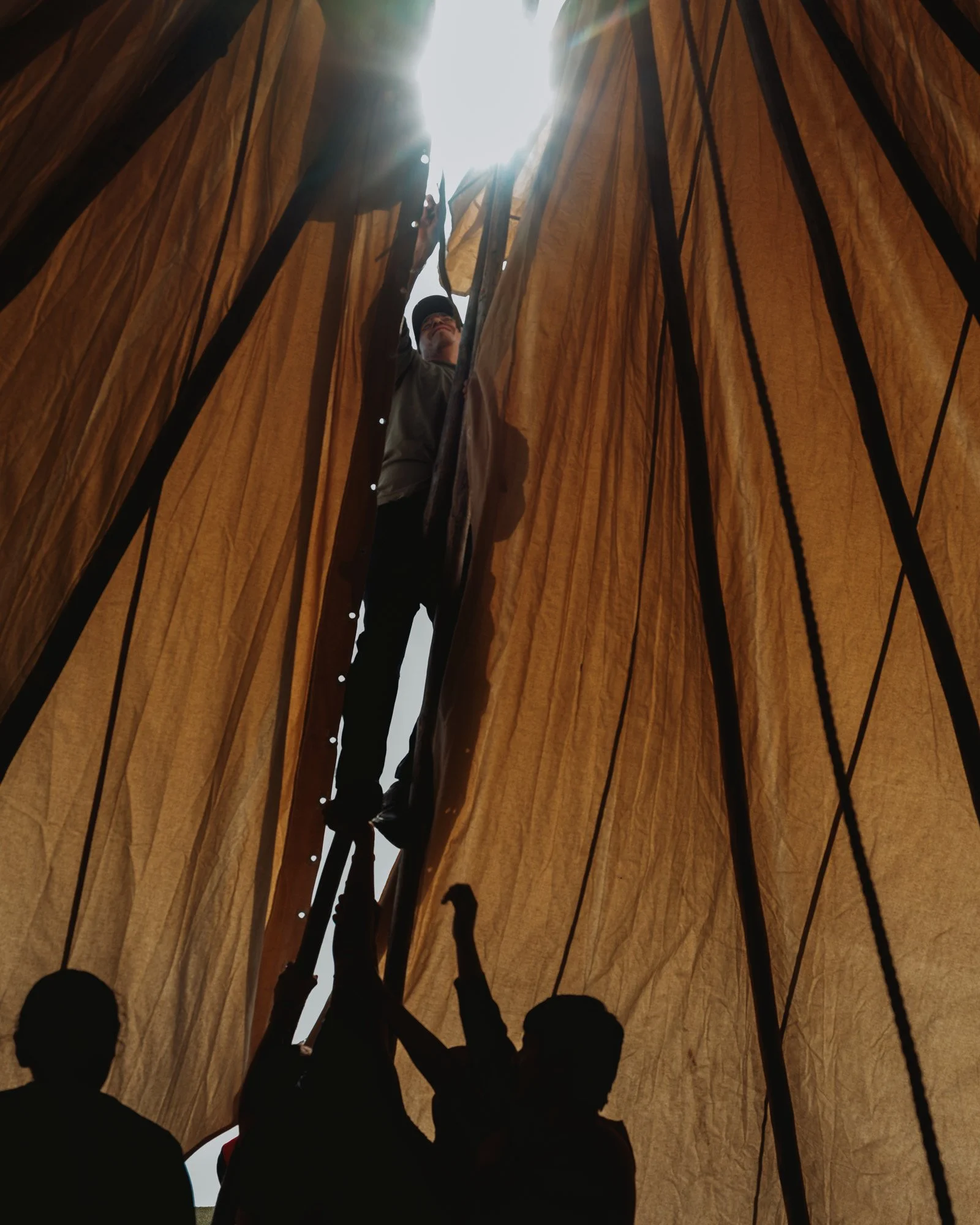
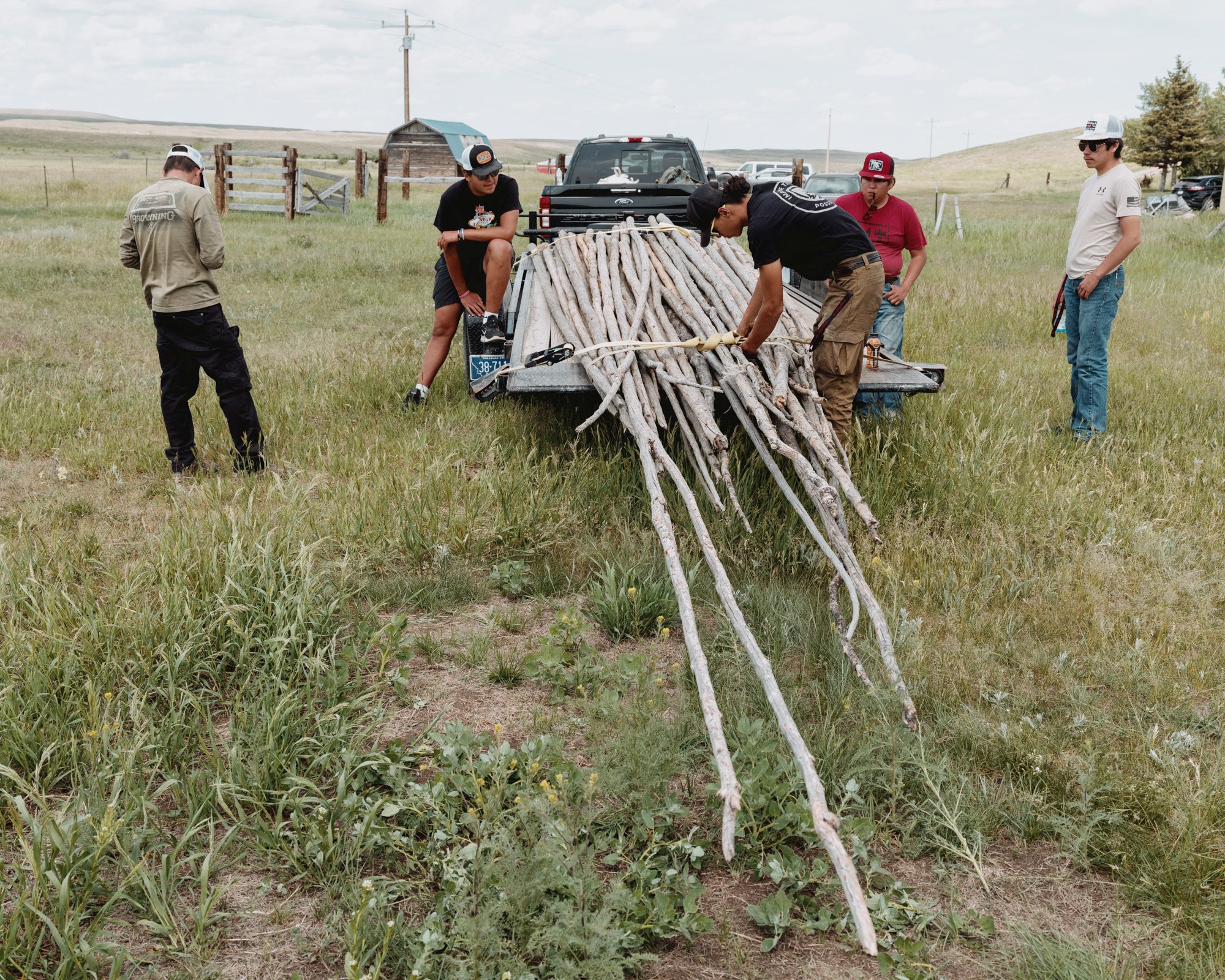
In addition to nonprofits like PLHI, the Blackfeet Community College has started providing students with the tools and space to explore traditional practices paired with modern science to help to make food sovereignty a reality on the Blackfeet reservation.
Through the Blackfeet studies program, Native Science Field Center, and the USDA extension office, students and faculty at BCC have been able to apply modern bench science to validate the stories of tribal elders and to explore the roles of plants and wildlife in Blackfeet culture as sources of food and medicine.
Melissa Weatherwax, head of institutional development at BCC, has been able to leverage the college’s land grant status to build the physical infrastructure needed to work on these projects. “My role is to provide the opportunity for the people doing the work, and to ask, how should I prepare you to do what you need to do?”
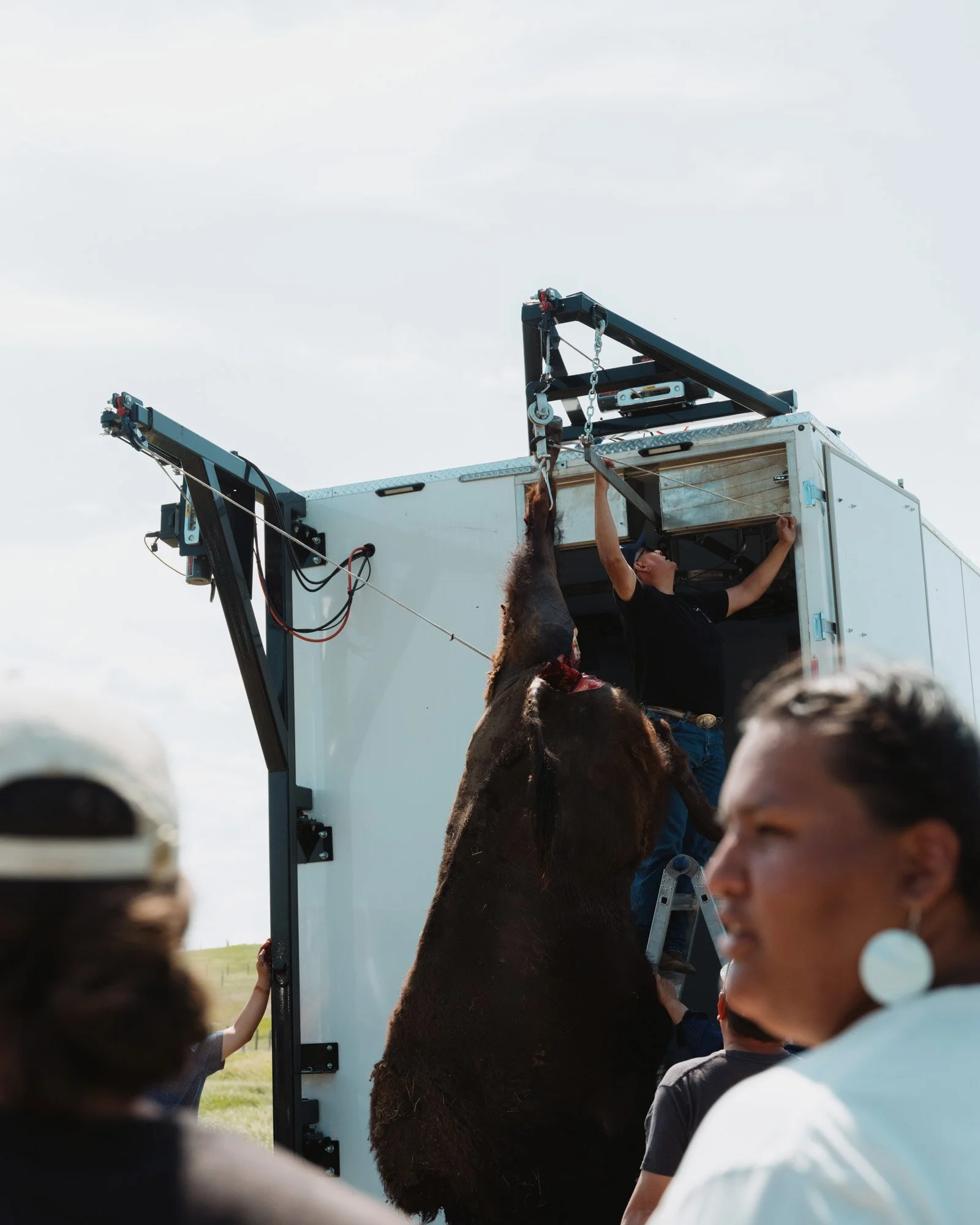
As students began working to integrate food, culture and community, the college expanded its footprint by acquiring 800 acres of ranch land abutting their campus, and has since started construction on a bison and cattle processing facility. The facility will be the classroom for students to gain the skills and knowledge to work in the meat processing industry.
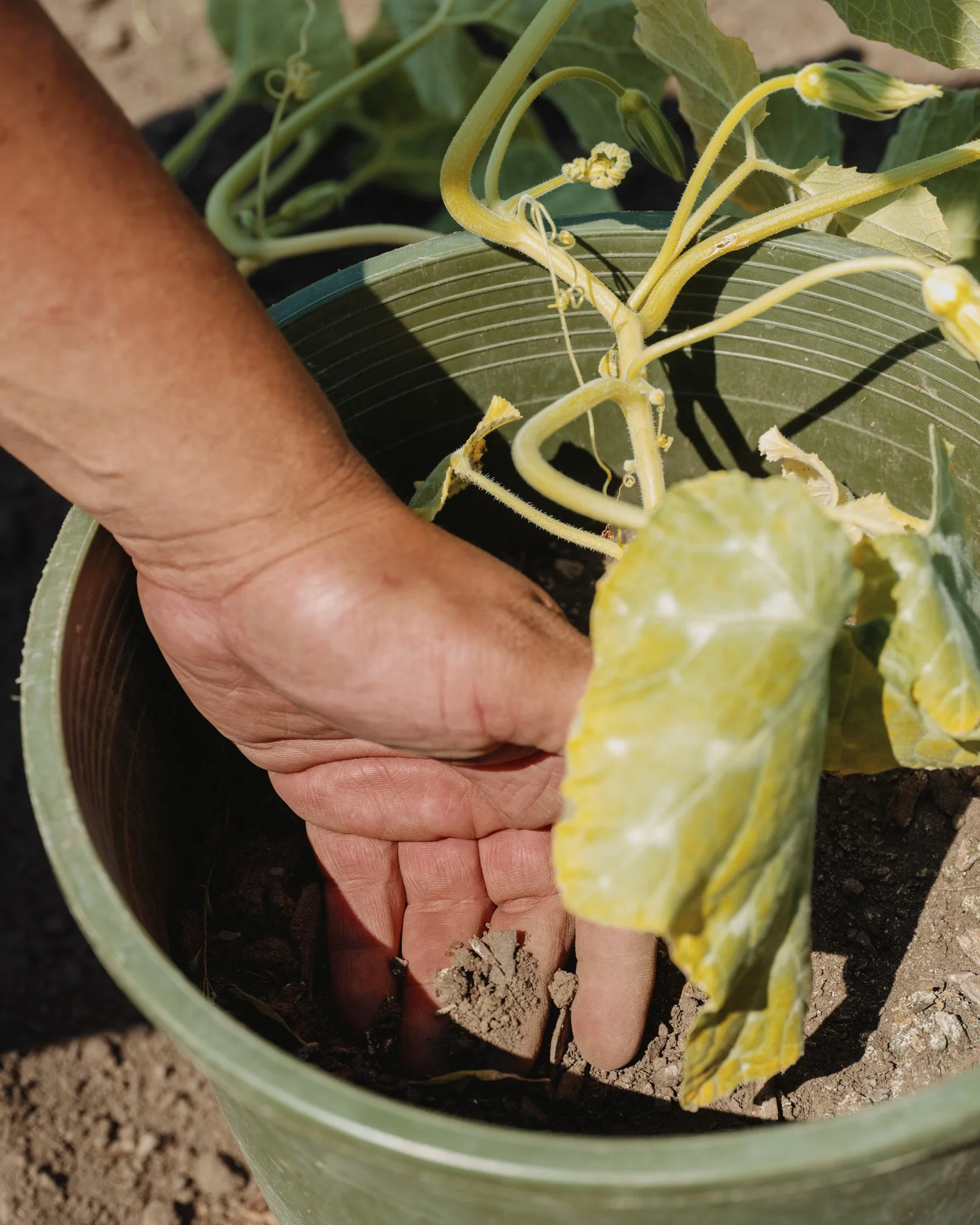
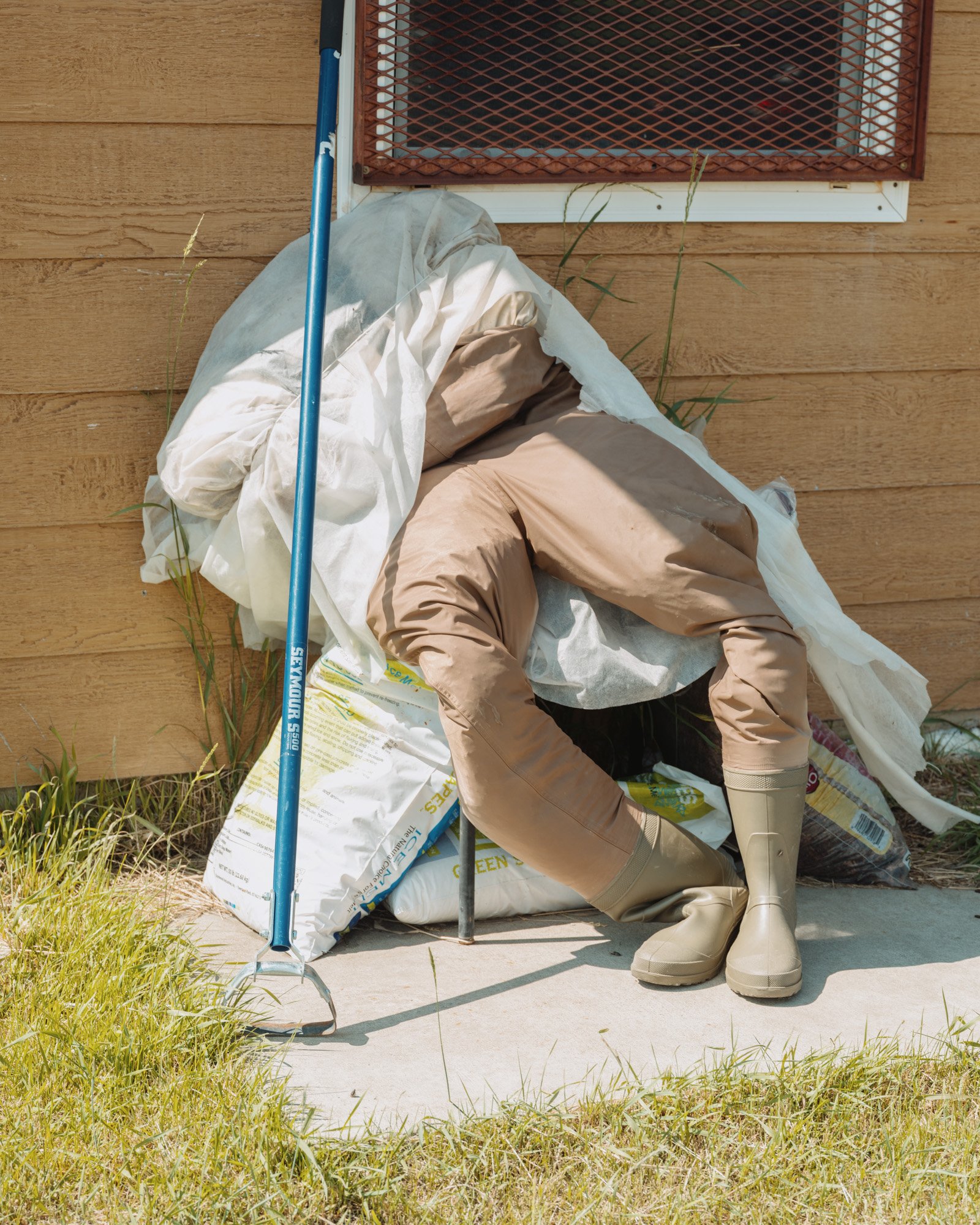
It’s something the tribe hopes to eventually expand on in order to fully understand what it means to reconnect to a buffalo-based diet. Students from the college’s agriculture extension program have already been using the space to develop techniques to help local gardeners and small farmers increase their yield in a climate with an exceptionally short growing season.
Land grant funding from the USDA has been consistent, but it’s never been enough to fully fund the sweeping work at BCC. Private donations, and other federal grant funding have played a large part in bolstering the programming.
This year, several grants funding BCC have been cancelled by the Trump administration. “With this administration we’re definitely challenged again, and you’re seeing historical trauma resurfacing because of all these shifts in funding,” Carlson said. “You can feel that every time funding gets pulled or is questioned for natives.”
Broken treaties and broken promises are familiar across Indian country. “You don’t get off the hook for breaking a treaty,” says Helen Augere Carlson, the Piikani Studies Division Chair, and Title III director at BCC. But, through these difficulties, the mission persists, “Education is so powerful, it’s what we need to have this programming that heals us.”
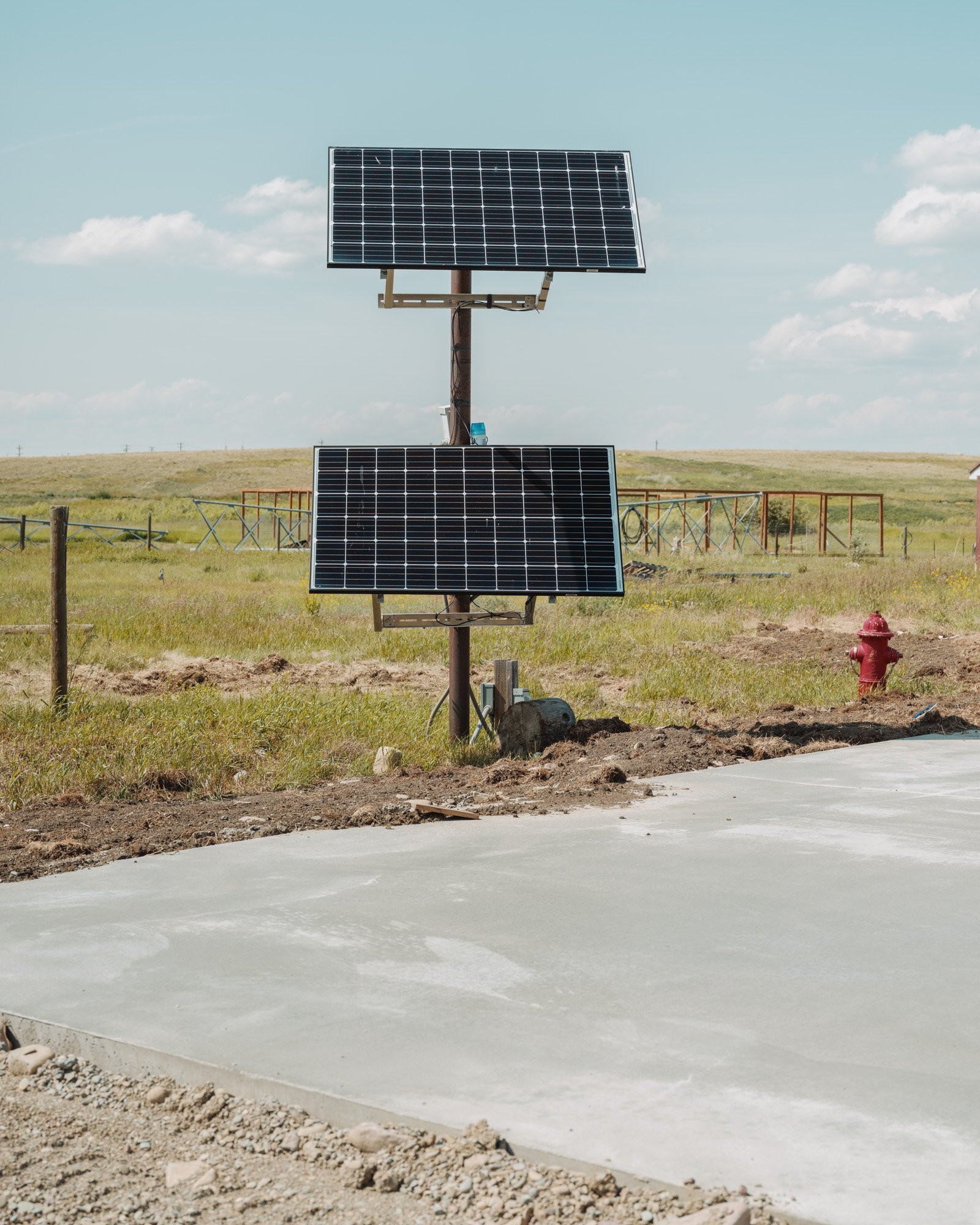
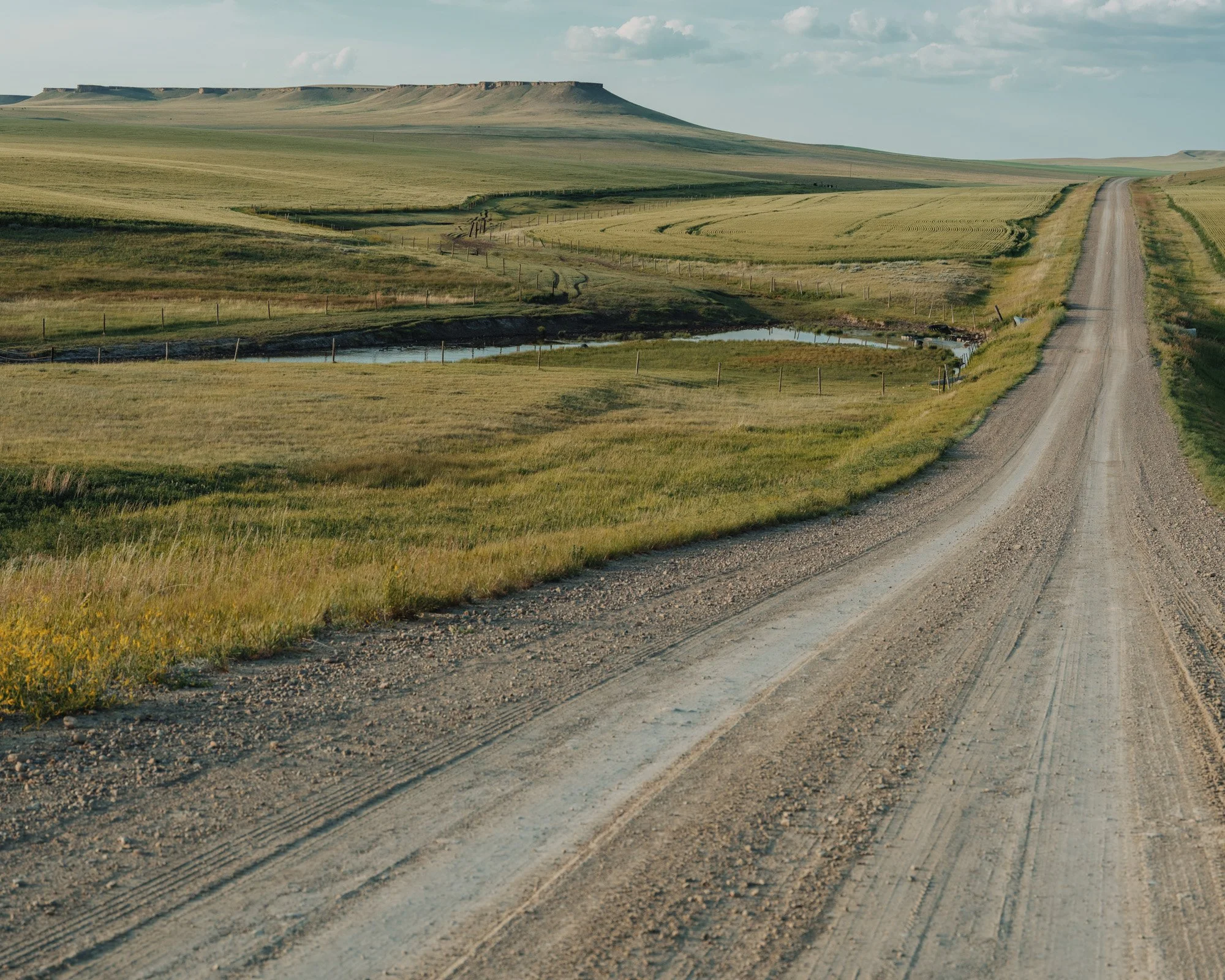
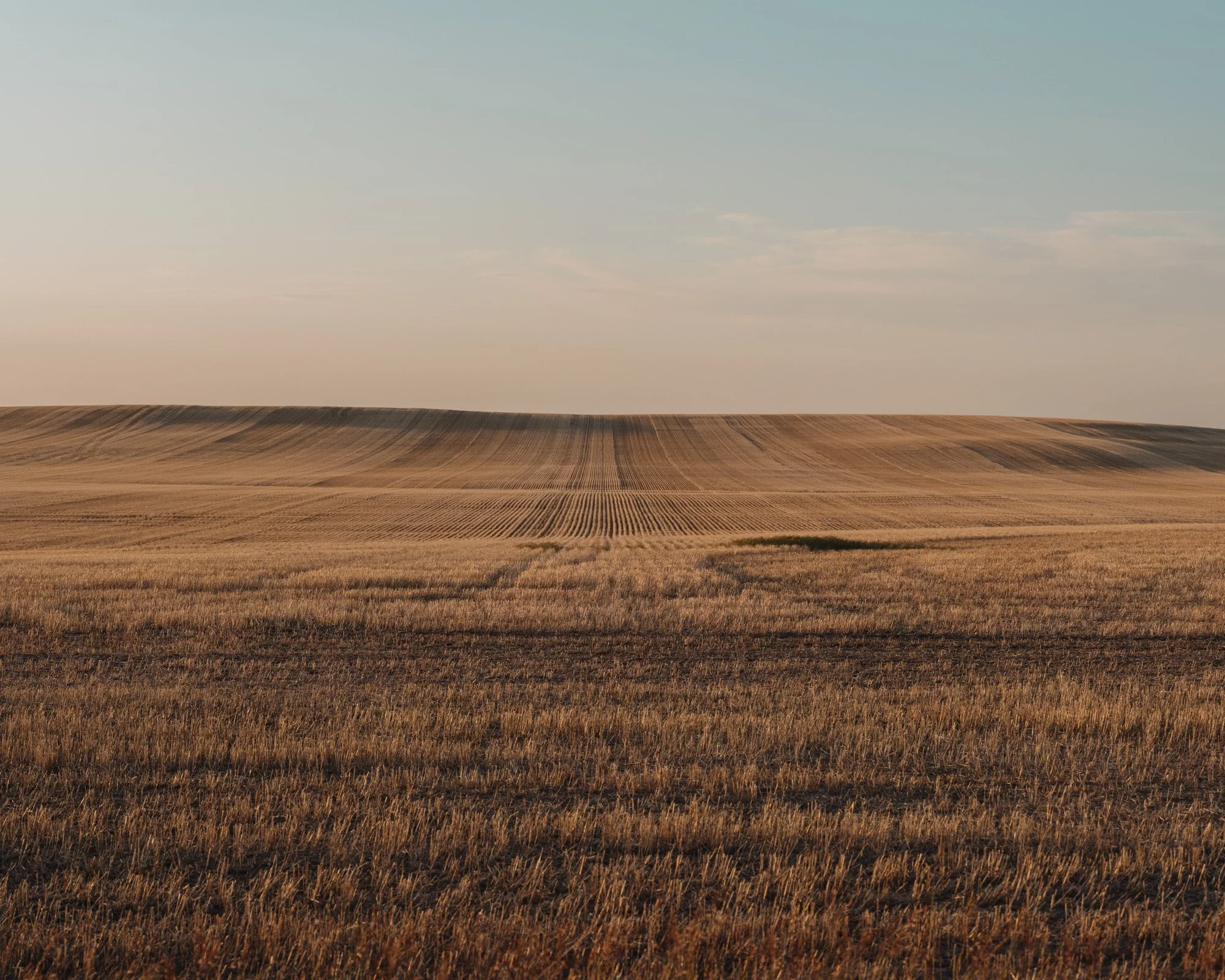
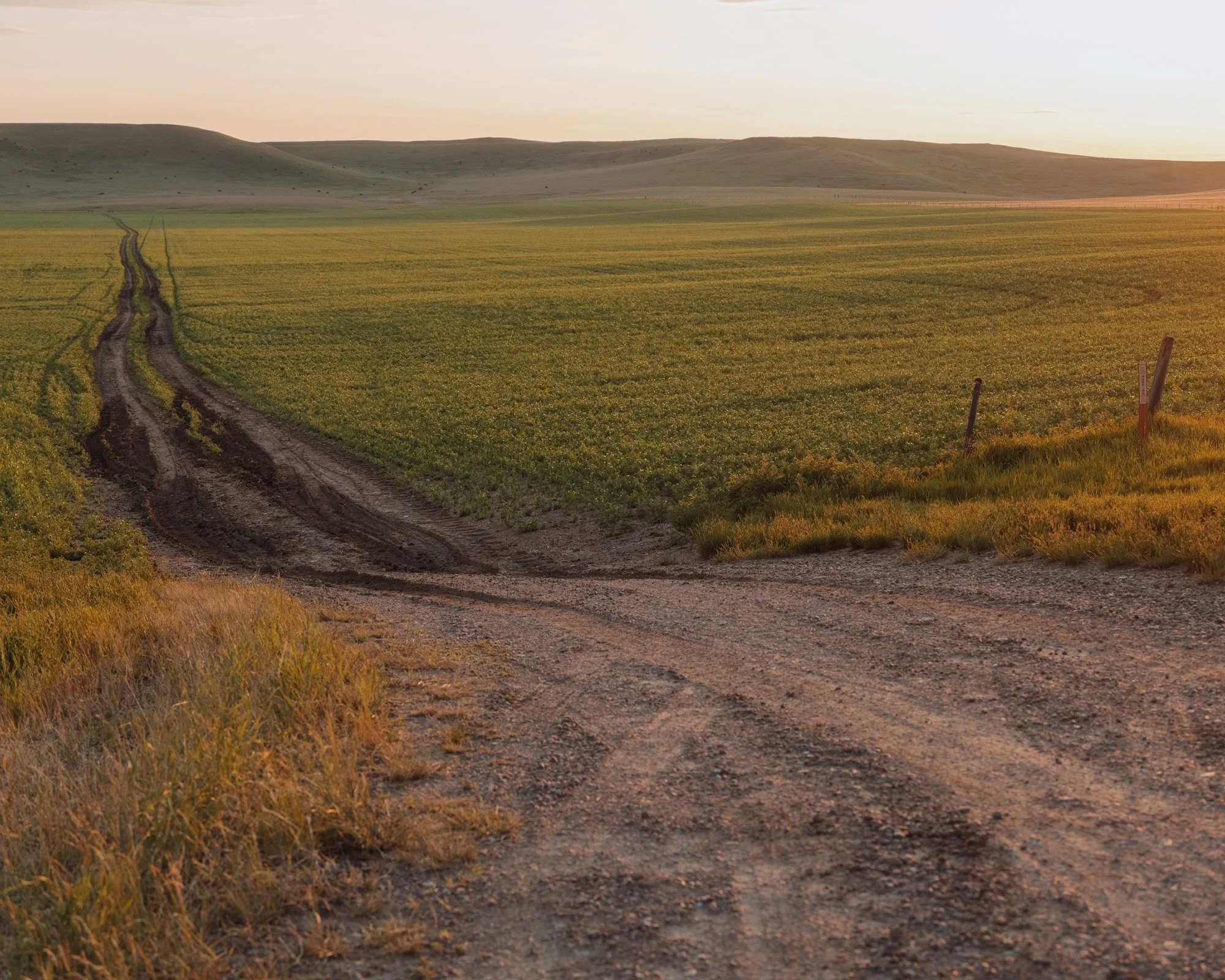
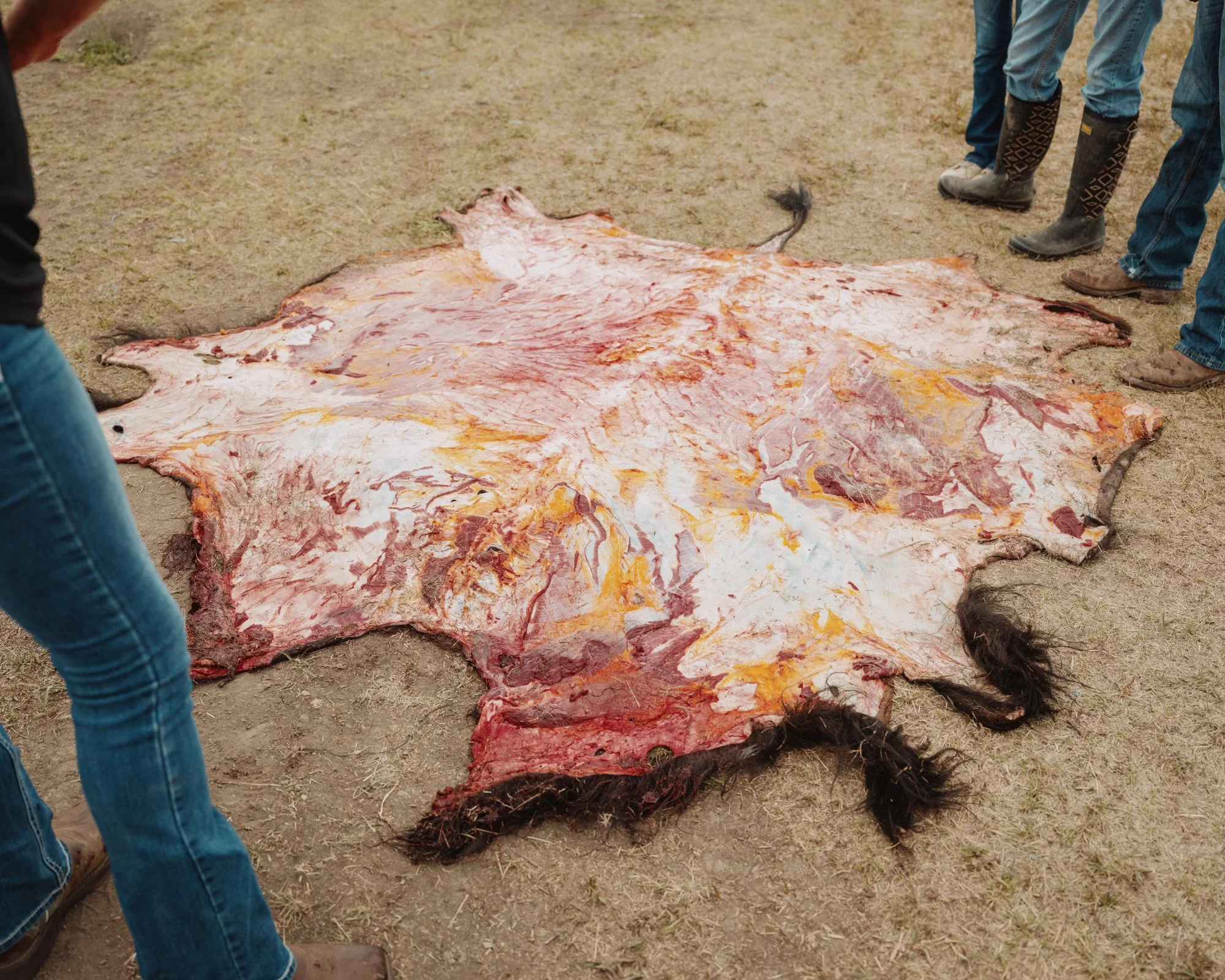
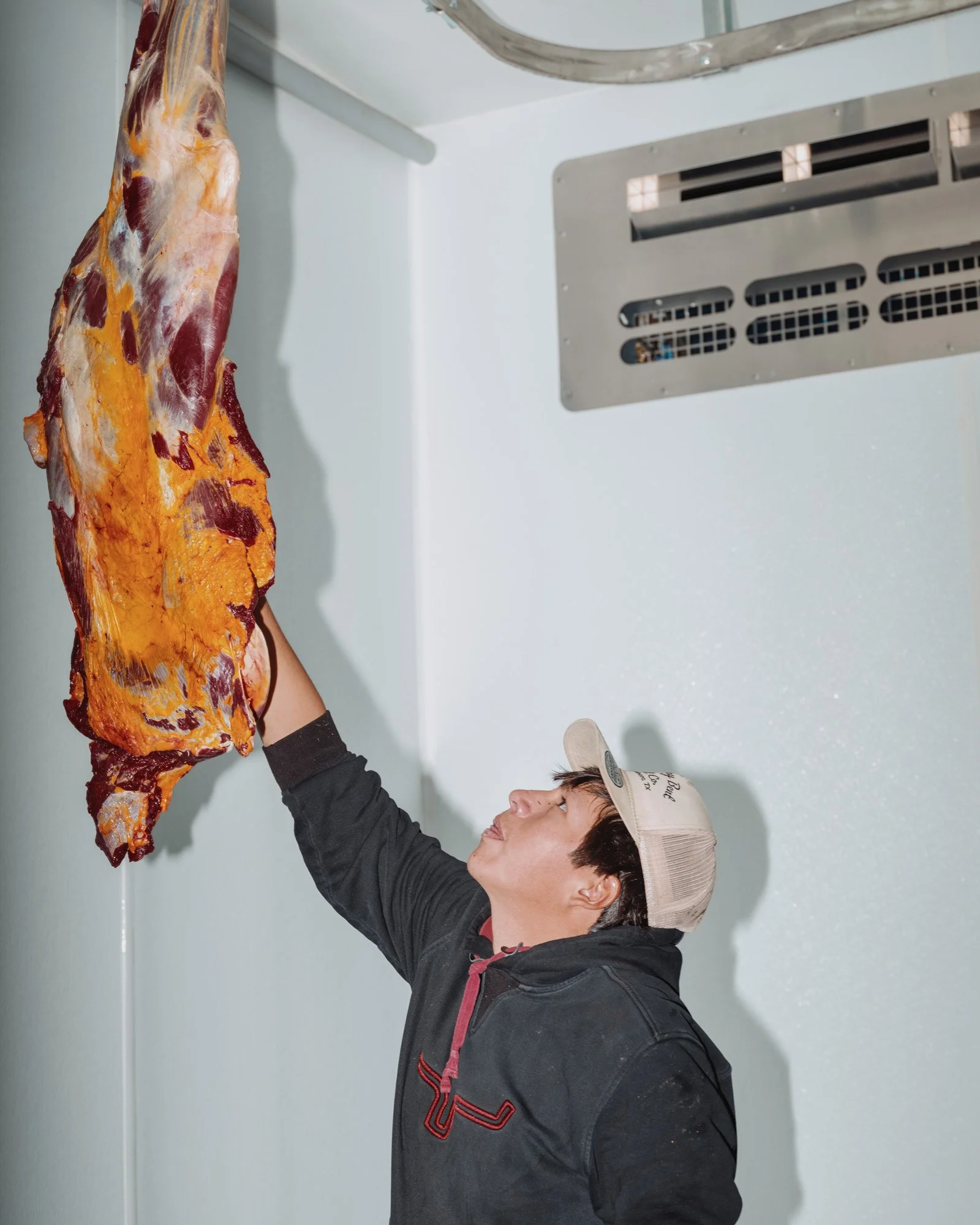
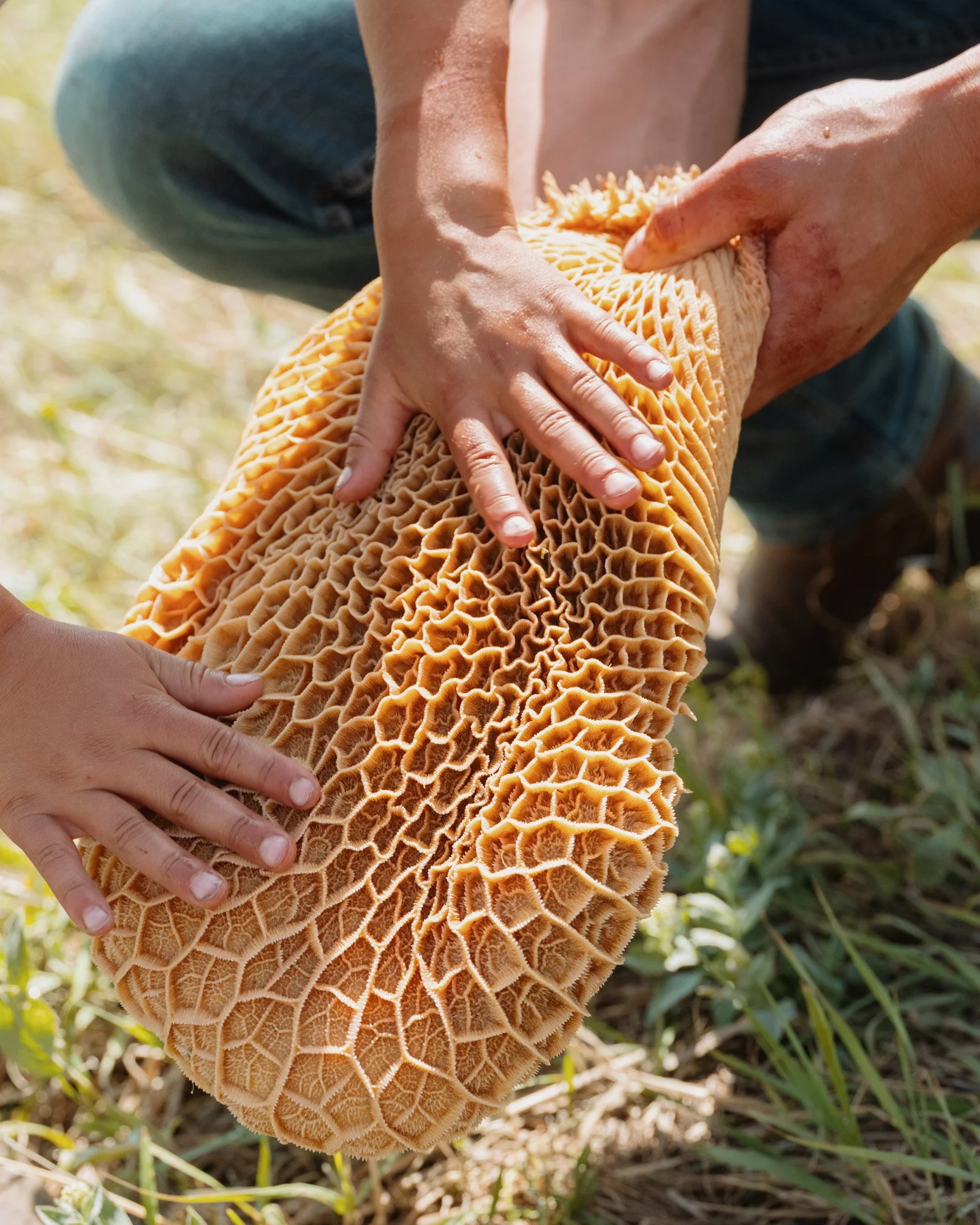
Economic prosperity and financial security also play a large role in the difficulties of restoring food sovereignty to the Blackfeet Nation and ranching is central to both.
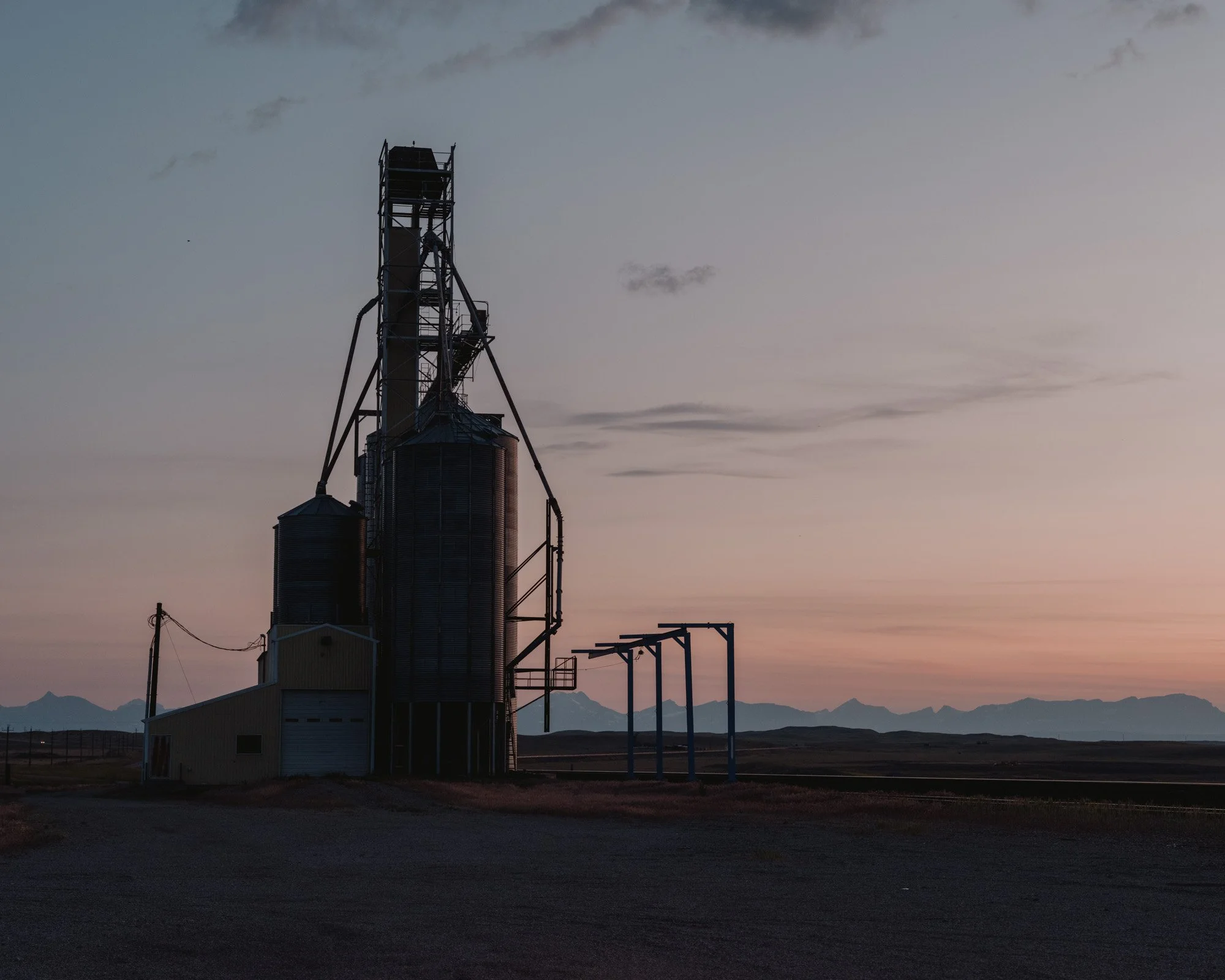
Most beef produced there - roughly 60,000 animals per year - end up being sold on the national commodity market. Four companies own nearly 80% of the beef feed lots and processing operations in the country, making it difficult to keep money generated from Blackfeet beef on the reservation.
Robin Johnson, who is also head of Agricultural Outreach at PLHI has been keenly aware of these difficulties. After seeing the market become consolidated and how that affected her bottom line, she began to reach out to cattle buyers directly to cut out the middleman. But that’s not always an option for smaller ranches. One solution the community is considering is a tribally-owned processing facility. “It would completely put the rebar in our food system here at home,” Paul said. “We produce a lot of beef for America.”
Challenges persist, and there isn’t a simple solution for overcoming the centuries of trauma and the hurdles associated with the difficult realities of reservation life. But the Blackfeet Nation has managed to work proactively, and from a position of strength to find long-term, sustainable solutions to problems stemming from centuries of disparities created by the reservation system.
“Trauma, we’ve had so much, and it still continues, the lack of jobs, the lack of infrastructure, the hopelessness,” Paul said, “but we want to turn that around here."